Stanley Fatmax User Guide: A Comprehensive Overview (Updated 04/21/2026)
Welcome! This guide unlocks your Stanley Fatmax tool’s potential, offering step-by-step installation and ensuring a smooth, efficient, and productive user experience today.
Welcome to the world of Stanley Fatmax! This introduction sets the stage for maximizing your tool’s performance and longevity. Whether you’re a seasoned professional or a DIY enthusiast, understanding the core principles behind Stanley Fatmax tools is crucial.
This user guide is designed to be your comprehensive companion, walking you through everything from initial setup to advanced techniques. We’ll delve into the history of innovation that defines the Fatmax line, highlighting the features that set these tools apart.
Expect a detailed exploration of safety protocols, specific tool category guides, maintenance procedures, and warranty information. Our aim is to empower you with the knowledge to confidently tackle any project, big or small, with your Stanley Fatmax tools. Prepare for a streamlined and efficient experience!
What is Stanley Fatmax? – History and Innovation
Stanley Fatmax represents a legacy of over 170 years of toolmaking excellence, evolving from simple hand tools to the innovative power tools we know today. The “Fatmax” designation signifies a commitment to enhanced performance and durability, initially popularized by the iconic Fatmax tape measure in the 1990s.
This line wasn’t just about size; it was about re-engineering tools for professional use, focusing on increased strength, improved ergonomics, and extended lifespan. Stanley consistently pushes boundaries, integrating new materials and technologies to meet the evolving demands of tradespeople.
Fatmax tools are designed with user feedback at their core, resulting in features like anti-vibration systems, optimized blade designs, and robust housing. This dedication to innovation ensures that Stanley Fatmax remains a trusted name, delivering reliable performance and lasting value on every job site.
Key Features of Stanley Fatmax Tools
Stanley Fatmax tools are renowned for their robust construction and user-centric design. A hallmark feature is the use of high-grade materials, like full polish chrome vanadium steel, ensuring exceptional durability and resistance to corrosion. Ergonomic grips, often bi-material, provide enhanced comfort and reduced fatigue during prolonged use.
Many Fatmax tools incorporate innovative mechanisms, such as auto-lock ratchets and quick-release features, boosting efficiency. Power tools benefit from powerful motors, extended runtimes, and advanced battery technology. Furthermore, Stanley prioritizes safety, integrating features like blade guards and anti-slip handles.
The Fatmax line consistently delivers superior performance, making them a favorite among professionals. From hand tools to power solutions, each product embodies Stanley’s commitment to quality, innovation, and lasting reliability.
Understanding Your Stanley Fatmax Tool – General Safety
Prioritize safety! Always read the manual before use, wear appropriate protection, and maintain a clean workspace for optimal performance and injury prevention.
General Safety Precautions
Before operating any Stanley Fatmax tool, thoroughly review this user guide and the specific instructions accompanying your model. Always wear approved safety glasses or a face shield to protect your eyes from debris. Utilize appropriate hand protection, such as gloves, to enhance grip and shield against abrasions.
Ensure your workspace is well-lit, clean, and free from obstructions. Avoid loose clothing or jewelry that could become entangled in moving parts. Maintain firm footing and balance while operating tools. Never modify tools beyond their intended design, as this can compromise safety and performance.
Inspect tools before each use for damage, and do not operate any tool that appears faulty. Disconnect power sources when changing accessories or performing maintenance. Keep bystanders at a safe distance from the work area. Focus intently on the task at hand, avoiding distractions. Store tools securely when not in use, out of reach of children.
Electrical Safety Guidelines (For Power Tools)
When using Stanley Fatmax power tools, prioritize electrical safety. Always verify the power source voltage matches the tool’s requirements. Utilize properly grounded outlets and avoid using extension cords unless absolutely necessary; if used, ensure they are heavy-duty and in good condition.
Never expose power tools to rain or operate them in damp environments. Inspect power cords regularly for damage and replace them immediately if frayed or cracked. Avoid pulling the cord to disconnect the tool – grasp the plug instead. Do not use power tools near flammable liquids or gases.
Before making adjustments or changing accessories, always disconnect the power tool from its source. Be mindful of hidden wiring when working in walls or ceilings. If a tool experiences an electrical malfunction, discontinue use immediately and have it inspected by a qualified technician. Double-insulation provides added protection, but doesn’t eliminate all hazards.
Workplace Safety – Best Practices
Maintaining a safe work environment when using Stanley Fatmax tools is paramount. Always wear appropriate personal protective equipment (PPE), including safety glasses, gloves, and hearing protection, as needed for the task. Ensure adequate lighting is available to clearly see your work area.
Keep your workspace clean and organized, free from clutter and potential tripping hazards. Secure workpieces firmly before beginning any operation. Be aware of your surroundings and the location of others. Never operate tools while fatigued or under the influence of medications.
Implement a “think before you act” approach to every task. Understand the potential hazards associated with each tool and the materials you are working with. Regularly inspect tools for damage before use and report any issues. Proper housekeeping and a proactive safety mindset are crucial for preventing accidents and ensuring a productive work environment.

Specific Tool Categories & Guides
Explore detailed guides for Stanley Fatmax hand tools, power tools, and measuring instruments, unlocking expert techniques and maximizing performance for every project today!
Stanley Fatmax Hand Tools – A Detailed Look
Stanley Fatmax hand tools are renowned for their durability and ergonomic design, providing professionals and DIY enthusiasts with reliable performance; This section delves into the specifics of utilizing key hand tools effectively.
From robust screwdrivers with comfortable grips to versatile pliers engineered for various tasks, understanding the proper application is crucial. We’ll cover techniques for maximizing leverage, preventing slippage, and ensuring a secure grip.
Furthermore, we’ll explore the diverse range of Stanley Fatmax hammers – claw hammers, ball-peen hammers, and more – detailing the appropriate techniques for driving nails, demolition work, and general construction. Proper hammer control and safety precautions will be emphasized to prevent injury and achieve optimal results. Mastering these tools will elevate your project outcomes.
Using Stanley Fatmax Screwdrivers & Pliers
Stanley Fatmax screwdrivers feature bi-material grips for enhanced comfort and torque. Select the correct tip size and type to prevent damage to screw heads. Apply firm, consistent pressure while turning, maintaining a straight alignment. For stubborn screws, consider using a screwdriver with a magnetic tip for better grip.
Fatmax pliers offer various jaw types for different applications – slip-joint, long-nose, and locking pliers. Utilize the appropriate jaw for the task at hand, ensuring a secure hold. Avoid over-tightening, which can damage the material. When cutting wire, position it correctly within the cutting edge for a clean, efficient cut. Regularly inspect pliers for wear and tear.
Always prioritize safety; wear appropriate eye protection and avoid using tools for unintended purposes.
Stanley Fatmax Hammers – Types and Techniques
Stanley Fatmax hammers come in diverse types – claw, ball-peen, and sledgehammers – each designed for specific tasks. Claw hammers are ideal for driving and removing nails, while ball-peen hammers excel in metalworking and shaping. Sledgehammers deliver powerful blows for demolition or driving posts.
Proper technique involves a firm grip, a controlled swing, and striking the target squarely. Keep your eye on the nail or target throughout the swing. For driving nails, start with lighter taps, gradually increasing force. When removing nails, use the claw carefully, leveraging the hammer’s weight for optimal results.
Safety is paramount: always wear safety glasses and gloves. Inspect the hammer head for looseness before each use, and avoid striking hardened steel surfaces with a claw hammer.
Stanley Fatmax Power Tools – Operation & Maintenance
Operating Stanley Fatmax power tools requires understanding specific tool manuals. Always inspect tools before use, checking for damaged cords, loose parts, or unusual noises. Ensure proper safety guards are in place and functioning correctly. Use appropriate personal protective equipment (PPE), including safety glasses, hearing protection, and dust masks.
Regular maintenance extends tool life and ensures optimal performance. Clean tools after each use, removing debris and dust. Lubricate moving parts as recommended in the manual. Sharpen blades and bits regularly. Store tools in a dry, secure location.
Never force a tool beyond its capacity. Disconnect power before making adjustments or changing accessories. If a tool malfunctions, do not attempt repairs yourself; contact authorized Stanley service centers.
Stanley Fatmax Drills – Features & Usage
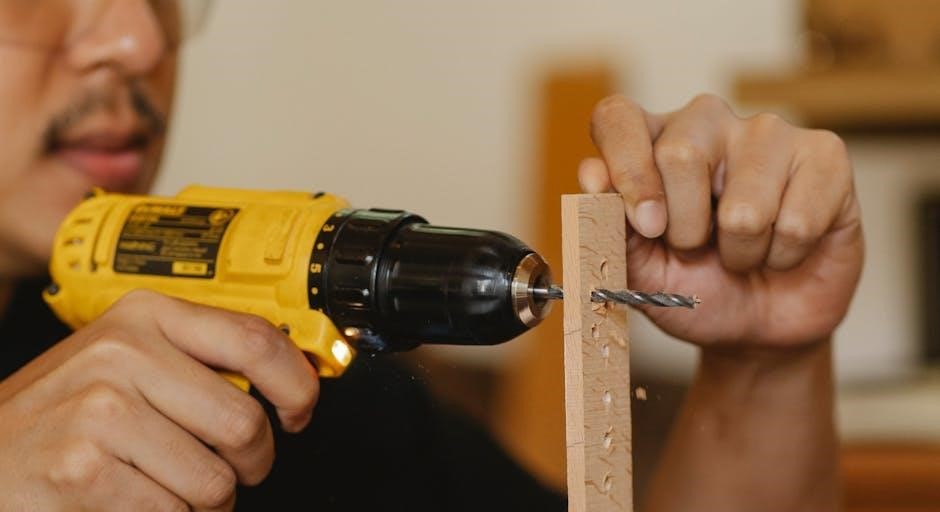
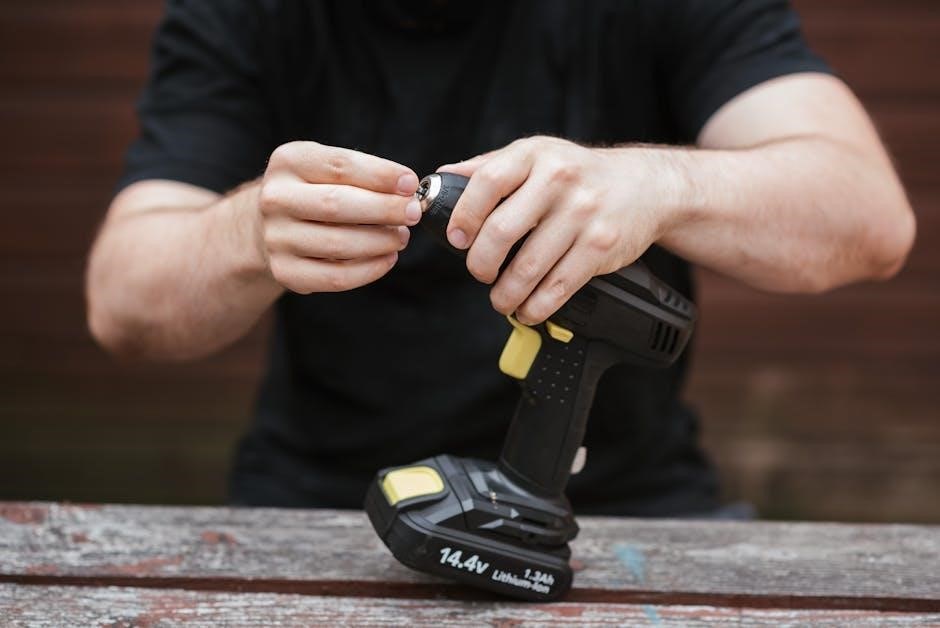
Stanley Fatmax drills boast features like variable speed control, keyless chucks for quick bit changes, and often include built-in LED lights for enhanced visibility. Many models offer multiple settings – drilling, driving, and pulse – adapting to diverse tasks.
For drilling, select the correct drill bit for the material. Start with a pilot hole for cleaner results. Apply consistent pressure, allowing the drill to do the work. Avoid overheating by using appropriate speeds and intermittently clearing debris.
When driving screws, use the appropriate driver bit and adjust the clutch setting to prevent stripping screws or damaging the material. Ensure the bit is securely seated in the screw head. Regularly check and tighten the chuck to maintain bit stability.

Stanley Fatmax Saws – Choosing the Right Blade
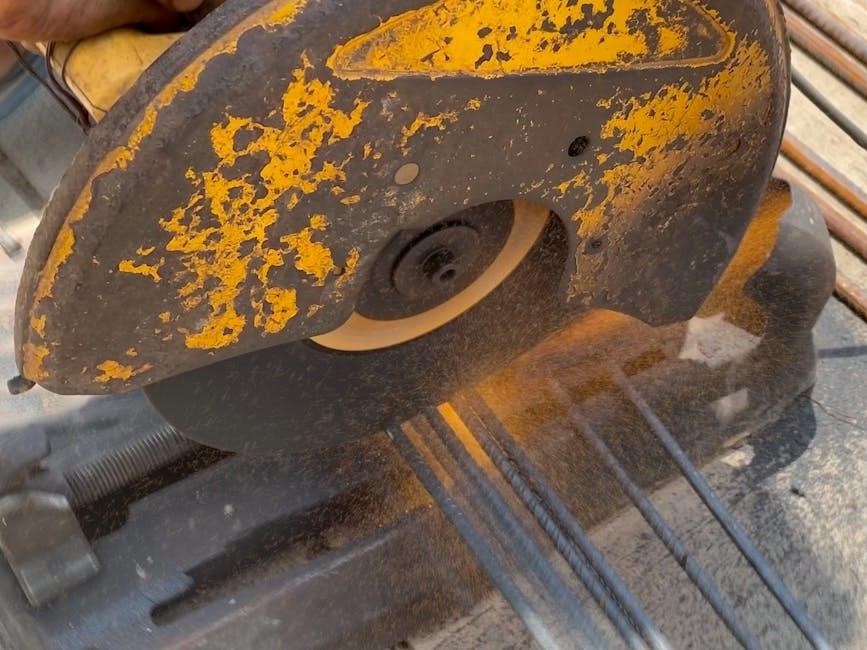
Selecting the correct blade is crucial for optimal performance and safety with your Stanley Fatmax saw. Different materials demand specific blade types. For wood, use blades with fewer teeth per inch (TPI) for faster cutting, while higher TPI blades provide cleaner, smoother cuts.
Metal cutting requires blades designed for ferrous or non-ferrous metals, often featuring high-speed steel (HSS) or bi-metal construction. Plastic and laminate necessitate blades with specialized tooth geometry to prevent chipping and melting.
Consider blade length; longer blades cut deeper but require more power. Always ensure the blade is securely installed and compatible with your saw model. Regularly inspect blades for damage and replace dull blades for efficient and safe operation.
Stanley Fatmax Measuring Tools – Accuracy & Calibration
Precision is paramount when using Stanley Fatmax measuring tools. Regularly check for accuracy to ensure reliable results in your projects. For tape measures, verify the hook’s zero point and inspect for bends or damage to the blade. Extend the tape several times, noting any inconsistencies.
Levels require calibration too. Place the level on a known flat surface and observe the bubble. If it doesn’t center, adjustments may be needed – consult your tool’s specific instructions. Avoid dropping or subjecting tools to extreme temperatures.
Proper storage protects calibration. Clean tools after each use and store them in a dry environment. Consistent care extends their lifespan and maintains accuracy, delivering professional-grade measurements every time.

Using Stanley Fatmax Tape Measures Effectively
Maximize accuracy with your Stanley Fatmax tape measure by understanding its features. Extend the blade smoothly, avoiding kinks or bends that can distort readings. The hook at the end is designed to move slightly, compensating for internal thickness when hooking onto edges – don’t force it!
Read measurements carefully, noting the scale (inches, feet, metric). Utilize the markings for studs or joists for quick layout. For longer distances, consider a tape measure with a wider blade for increased rigidity and reduced sag.
Proper retraction prevents damage. Don’t let the blade snap back quickly; control the speed to prolong the tape’s life. Regular cleaning and storage in a dry place will ensure years of reliable service.
Stanley Fatmax Levels – Ensuring Precision
Achieve perfectly level results with your Stanley Fatmax level. Before each use, verify accuracy by checking against a known level surface. For spirit levels, ensure the bubble is centered within the vial – this indicates a perfectly horizontal or vertical plane.
Utilize the level’s magnetic base (if equipped) for secure attachment to metal surfaces, freeing your hands; When leveling long surfaces, take multiple readings along the length to account for any inconsistencies.

Protect your level from drops and impacts, as damage can affect accuracy. Clean the level regularly to remove dust and debris. Proper storage in a case will safeguard it and maintain its precision for years of reliable performance.

Maintenance and Troubleshooting
Keep your tools performing optimally! This section details routine upkeep, common issue resolutions, and guidance for replacing parts, extending your tool’s lifespan effectively.
Routine Maintenance Procedures
Prolonging your Stanley Fatmax tool’s life requires consistent care. Regularly clean tools after each use, removing debris and grime with a dry cloth – avoid harsh solvents. For metal parts, a light oil application prevents rust and ensures smooth operation. Inspect blades and bits for sharpness; dull tools are unsafe and inefficient.
Power tools demand extra attention. Check cords for damage, never use frayed cables, and ensure proper ventilation during operation. Clean air vents to prevent overheating. Battery-powered tools benefit from proper storage – avoid extreme temperatures and fully charge before prolonged inactivity. Lubricate moving parts as indicated in the tool’s specific manual. Following these simple steps guarantees peak performance and minimizes potential issues, saving you time and money in the long run.
Troubleshooting Common Issues
Encountering problems? Often, simple fixes resolve common Stanley Fatmax tool issues. If a power tool won’t start, check the power source, battery charge, or safety lock. For hand tools, ensure proper alignment and sufficient force. A jammed blade on a saw might indicate incorrect blade installation or excessive material pressure.
If a drill bit slips, tighten the chuck securely. Unusual noises often signal loose parts or internal wear – discontinue use and inspect. Overheating frequently indicates insufficient lubrication or blocked ventilation. Always disconnect power before any inspection or repair. Refer to the tool’s specific manual for detailed troubleshooting steps. If issues persist, avoid attempting complex repairs; contact Stanley customer support for professional assistance to prevent further damage or injury.
Replacing Parts & Accessories
Maintaining peak performance requires timely replacement of worn parts and accessories. Always use genuine Stanley Fatmax replacement parts to ensure compatibility and safety. For power tools, common replacements include brushes, batteries, and cords. Hand tools may require new blades, bits, or grips.
Before replacing any part, always disconnect the power source. Consult your tool’s manual for specific instructions and diagrams. Online retailers and authorized Stanley dealers offer a wide selection of parts. Properly dispose of old parts according to local regulations. Regularly inspect accessories for wear and tear, replacing them proactively to prevent accidents and maintain optimal tool functionality. Prioritize safety and quality when sourcing replacements for a long-lasting, reliable tool experience.
Warranty Information & Support
Protect your investment! Discover detailed warranty coverage and easily access Stanley’s dedicated customer support team for assistance with your Fatmax tools today.
Stanley Fatmax Warranty Details
Understanding Your Coverage: Stanley Fatmax tools are built to last, and we stand behind their quality with a comprehensive warranty. The standard warranty period typically covers one year from the date of original purchase against defects in materials or workmanship.
What’s Covered: This warranty covers repairs or replacements of defective parts, at Stanley’s discretion. It includes failures due to normal use. Proof of purchase, such as a receipt or invoice, is required to make a warranty claim.
What’s Not Covered: The warranty does not cover damage resulting from misuse, abuse, neglect, accidents, alterations, or unauthorized repairs. Normal wear and tear, such as dulling of blades or wear on moving parts, is also excluded. Consumable parts, like batteries, are often subject to a limited warranty period.
Extended Warranties: In some cases, extended warranty options may be available for purchase at the time of sale. Always review the specific terms and conditions of any extended warranty before purchasing.
Contacting Stanley Customer Support
Need Assistance? Stanley Fatmax is dedicated to providing excellent customer support. If you encounter any issues with your tool, or have questions regarding its operation or warranty, our team is here to help.
Phone Support: You can reach our customer support team by phone at 1-800-STANLEY (1-800-782-6539). Our representatives are available Monday through Friday, 8:00 AM to 5:00 PM EST.
Online Resources: Visit our official website at www.stanleytools.com for a wealth of resources, including FAQs, troubleshooting guides, and downloadable manuals. You can also submit a contact form online for assistance.
Social Media: Connect with Stanley Fatmax on social media platforms like Facebook and Twitter for updates, tips, and quick responses to common inquiries. We strive to provide prompt and helpful support through all available channels.