
Cessna 172 Service Manual: A Comprehensive Overview
Essential for safe operation, the Cessna 172 service manual details maintenance, inspections, and repairs – a vital document carried within the aircraft always․
The Cessna 172 Service Manual is the definitive guide for maintaining this iconic aircraft, encompassing detailed procedures for all levels of technicians and owners․ This manual isn’t merely a collection of instructions; it’s a cornerstone of airworthiness, ensuring continued safe operation․ It meticulously outlines every aspect of the aircraft’s upkeep, from routine inspections to complex repairs, covering models Cessna 170, 170A, 170B, and the widely flown Cessna 172 series․
Crucially, this document must be readily available within the aircraft’s maintenance records; It serves as a reference point for adherence to regulatory standards and best practices․ Understanding its contents is paramount for anyone involved in the aircraft’s maintenance, guaranteeing compliance and promoting longevity․ The manual’s scope extends to engine specifics, airframe integrity, and system functionality․
Importance of the Aircraft Maintenance Manual (AMM)
The Aircraft Maintenance Manual (AMM) is fundamentally critical for the safe and continued airworthiness of any aircraft, especially the Cessna 172․ It’s not simply a helpful guide, but a legally mandated document ensuring all maintenance actions are performed to approved standards․ Proper adherence minimizes risks, extends the aircraft’s lifespan, and maintains its resale value․
Furthermore, the AMM provides a standardized approach to maintenance, reducing errors and promoting consistency across different maintenance facilities․ It details authorized modifications – known as minor change designs – and ensures proper documentation of all work performed in the aircraft’s logbooks․ Without a current and correctly utilized AMM, regulatory compliance becomes impossible, potentially grounding the aircraft and incurring significant penalties․
Document Control and Revision History
Maintaining strict document control is paramount with the Cessna 172 service manual․ The manual itself must be kept current, reflecting all applicable revisions and updates issued by Cessna or authorized aviation authorities․ A detailed revision history, typically found within the manual, tracks each change, including the date, reason, and specific pages affected․
This history is crucial for ensuring technicians are working with the most accurate information․ Outdated manuals can lead to incorrect maintenance procedures, potentially compromising safety․ Regular checks against official sources, like Cessna’s documentation, are essential․ Proper control also includes managing distribution – ensuring only authorized personnel have access to the current version, and that superseded copies are clearly marked and removed from service․

Aircraft Systems & Maintenance

Detailed procedures cover engine, airframe, landing gear, fuel, and electrical systems, ensuring proper Cessna 172 upkeep and operational reliability․
Engine Maintenance – Specific to Cessna 172 Models
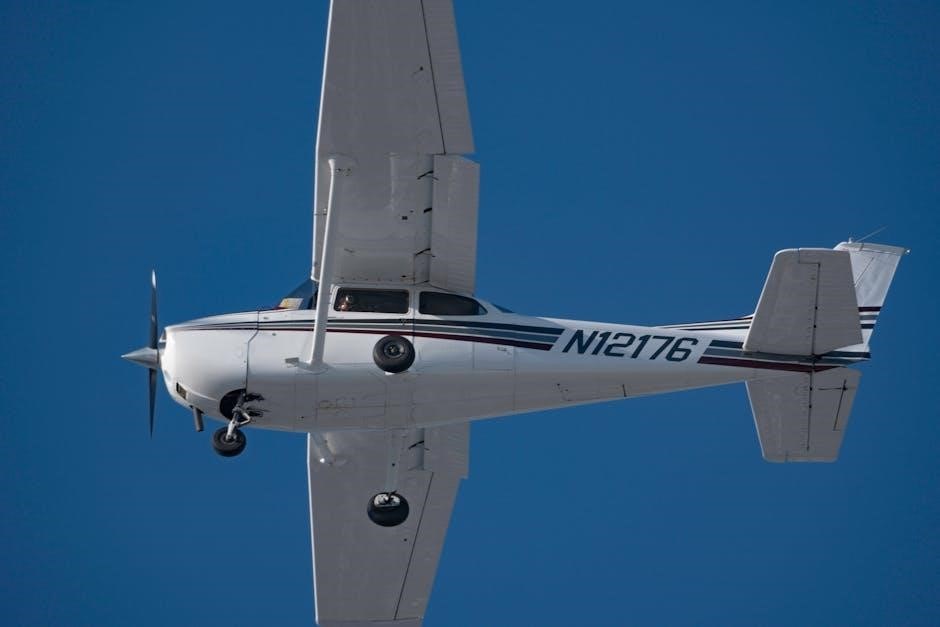
Cessna 172 engine maintenance demands meticulous adherence to the service manual’s guidelines, varying slightly across models (F, G, H, I, K, L, M, N)․ Regular oil analysis is crucial, interpreting results to identify potential internal issues before they escalate․
Maintenance includes inspecting and replacing filters, checking magneto functionality, and ensuring proper carburetor operation․ Specific attention must be paid to TAE 125-02-114 engines, as outlined in IM-20-02S․
Motor oil changes should follow recommended schedules, utilizing appropriate grades․ Thorough inspection of cylinders, valves, and spark plugs is paramount․ Any discrepancies discovered during inspection require immediate attention and documentation within the aircraft’s logbook, adhering to approved maintenance releases․
Airframe Maintenance – Inspection and Repair

Comprehensive airframe maintenance, guided by the Cessna 172 service manual, is vital for structural integrity․ Inspections encompass the fuselage, wings, and tail surfaces, searching for corrosion, cracks, or damage․ Repair procedures must strictly adhere to approved data and minor change designs․
Regularly check control surfaces for freedom of movement and proper alignment․ Skin inspections are crucial, particularly around rivets and areas prone to stress․ Documentation of all inspections and repairs is mandatory in the aircraft’s maintenance logbook․
Any structural repairs require qualified personnel and approved materials․ Maintaining up-to-date flight and maintenance manuals ensures compliance with regulatory standards and safe operation․
Landing Gear Maintenance & Overhaul
Proper landing gear maintenance, as detailed in the Cessna 172 service manual, is paramount for safe landings and ground operations․ Inspections focus on shock struts, tires, brakes, and wheel assemblies, checking for wear, damage, and proper lubrication․
Overhaul schedules are dictated by time or cycles, requiring disassembly, inspection, and replacement of worn components․ Brake systems demand meticulous attention, ensuring effective stopping power․ Tire pressure and tread depth must be consistently monitored․
Detailed documentation of all landing gear work is essential for maintaining accurate maintenance records․ Adherence to the manual’s guidelines guarantees continued airworthiness and operational safety․
Fuel System Maintenance – Inspection and Cleaning
Maintaining a pristine fuel system, as outlined in the Cessna 172 service manual, is critical for engine performance and safety․ Regular inspections encompass fuel tanks, lines, filters, and the carburetor or fuel injection system, searching for leaks, corrosion, or obstructions․
Cleaning procedures involve draining fuel tanks to remove sediment and water, flushing fuel lines, and meticulously cleaning fuel filters․ Proper fuel grade and additive usage are also addressed․
Detailed logbook entries documenting all fuel system maintenance are crucial․ Strict adherence to the manual’s recommendations ensures reliable engine operation and prevents potential hazards․
Electrical System Maintenance – Troubleshooting and Repair
The Cessna 172’s electrical system demands diligent maintenance, as detailed within the service manual․ Troubleshooting procedures cover common issues like battery failures, faulty alternators, and wiring malfunctions․ The manual provides schematics for efficient fault isolation․
Repair procedures emphasize safe disconnection of power sources before working on any electrical component․ Replacement of damaged wiring, connectors, and circuit breakers is thoroughly explained․ Proper use of testing equipment, like multimeters, is essential․
Logbook documentation of all electrical repairs and inspections is paramount for maintaining airworthiness and ensuring continued safe operation of the aircraft’s systems․

Inspection Procedures
Detailed checklists within the Cessna 172 service manual guide annual, 100-hour, and pre-flight inspections, ensuring thorough examination of all aircraft components․
Annual Inspection Checklist
The annual inspection, a cornerstone of Cessna 172 maintenance, demands meticulous adherence to a comprehensive checklist detailed within the service manual․ This rigorous process, typically performed by a certified A&P mechanic, ensures continued airworthiness․ Key areas include a thorough examination of the engine – checking for wear, leaks, and proper operation – alongside a detailed inspection of the airframe for corrosion, cracks, and structural integrity․
Furthermore, the landing gear receives focused attention, encompassing inspection of tires, brakes, and the overall structural condition․ The fuel system is scrutinized for leaks and contamination, while the electrical system undergoes testing to verify proper functionality․ Control surfaces, cables, and the trim system are also carefully assessed․ Logbook documentation of all findings and corrective actions is paramount, ensuring a traceable maintenance history and compliance with regulatory requirements․
100-Hour Inspection Requirements
The 100-hour inspection, mandated for Cessna 172s operated for hire, represents a less extensive, yet crucial, maintenance check․ The service manual outlines specific requirements, focusing on items prone to wear or failure within this timeframe․ This includes a detailed inspection of the engine oil and filters, along with a check of propeller condition and security․
Additionally, the inspection covers flight controls, ensuring free and correct movement, and a review of the fuel system for leaks․ Landing gear tires and brakes receive attention, alongside a verification of the proper operation of all lights․ While not as exhaustive as the annual inspection, diligent completion and thorough documentation in the aircraft logbooks are essential for continued legal operation and maintaining airworthiness standards․
Pre-Flight Inspection Detailed Guide
The Cessna 172 service manual emphasizes a meticulous pre-flight inspection as paramount for safety․ This detailed guide begins with a walk-around, checking for structural damage, fuel leaks, and proper control surface movement; Tire pressure, brake functionality, and landing gear strut extension are critical components․
Next, the inspection moves to the engine compartment, verifying oil levels, coolant, and the security of engine accessories․ Inside the cockpit, instruments, flight controls, and avionics are thoroughly tested․ The pilot’s operating handbook (POH) supplements the service manual, providing specific checklists․ A comprehensive pre-flight, documented appropriately, mitigates risks and ensures a safe and enjoyable flight experience for all occupants․
Transponder and ELT Inspection Procedures
The Cessna 172 service manual details rigorous inspection procedures for the transponder and Emergency Locator Transmitter (ELT)․ Transponder functionality requires verifying proper code setting, altitude reporting, and response to interrogation from Air Traffic Control․ Regular testing, as mandated by regulations, confirms operational status․
ELT inspections involve checking battery expiration dates, antenna connection security, and performing self-tests to ensure signal transmission capability․ The manual stresses the importance of documenting these tests in the aircraft’s logbook․ Proper functioning of both systems is crucial for air traffic surveillance and search-and-rescue operations in emergency situations, contributing significantly to flight safety․
Component Maintenance
The Cessna 172 service manual guides detailed maintenance of avionics, trim, control cables, and flaps, ensuring optimal performance and airworthiness․
Avionics Maintenance – Troubleshooting Common Issues

Addressing avionics challenges within the Cessna 172 demands a systematic approach, detailed within the service manual․ Common issues include communication radio failures, navigation system inaccuracies, and transponder malfunctions․ The manual provides step-by-step troubleshooting guides, focusing on verifying power supply, antenna connections, and software integrity․
Proper diagnostics involve utilizing test equipment to isolate faults, referencing wiring diagrams, and consulting component maintenance manuals․ Regular inspections, as outlined, help prevent failures․ The manual emphasizes the importance of qualified technicians for complex repairs, ensuring adherence to FAA regulations and maintaining the aircraft’s safety and operational reliability․ Thorough logbook entries are crucial for tracking all avionics maintenance performed․
Trim System Maintenance – Rudder and Elevator
Maintaining the Cessna 172’s manually operated rudder and elevator trim is crucial for flight control․ The service manual details inspection procedures for proper operation, focusing on smooth movement and secure locking mechanisms․ Regular checks involve verifying cable tension, control surface travel, and the absence of binding or excessive play․
Lubrication of pivot points, as specified, prevents corrosion and ensures responsiveness․ The manual outlines adjustment procedures to correct imbalances or sluggish control feel․ Any worn or damaged components, including cables and linkages, must be replaced by qualified personnel․ Accurate logbook documentation of all maintenance is essential, guaranteeing continued airworthiness and pilot confidence during operation․
Control Cable Inspection and Replacement
The Cessna 172 service manual emphasizes rigorous control cable inspection as a cornerstone of airworthiness․ Inspections must cover the entire cable run – from cockpit controls to control surfaces – checking for fraying, kinking, corrosion, and proper tension․ Look closely at termination points for secure attachment and wear․
Replacement is mandatory if any defects are found, utilizing only Cessna-approved cables and hardware․ Proper routing is critical, adhering strictly to the manual’s diagrams to prevent interference or binding․ After replacement, a full range of motion test and control surface balance check are required․ Detailed logbook entries documenting cable serial numbers, dates, and personnel involved are essential for regulatory compliance and safety․
Flap System Maintenance – Actuation and Adjustment
The Cessna 172 service manual details meticulous flap system maintenance, focusing on smooth and precise actuation․ Inspections involve checking flap hinges for wear, proper movement throughout the range, and secure attachment of control linkages․ Examine the flap motor (if equipped) for proper operation and lubrication․
Adjustment is crucial for symmetrical flap deployment, verified using a flap position indicator or visual inspection․ Any binding or uneven movement requires immediate attention․ Replacement of worn components, like hinges or cables, must follow Cessna’s guidelines․ Thorough logbook documentation of all maintenance, adjustments, and component replacements is vital for continued airworthiness and regulatory adherence․

Troubleshooting & Repair
The Cessna 172 service manual guides technicians through diagnosing common issues, offering repair procedures, and interpreting oil analysis results for optimal performance․
Common Cessna 172 Maintenance Issues
Addressing typical Cessna 172 concerns requires diligent adherence to the service manual’s guidelines․ Frequent issues include carburetor icing, particularly during colder months, necessitating regular inspections and potential overhaul․ Oil leaks, often stemming from seals or gaskets, demand prompt attention to prevent engine damage․ Electrical system malfunctions, such as faulty wiring or failing components, are also common, requiring careful troubleshooting․
Furthermore, control cable wear and tear, alongside trim system inconsistencies, impact flight control and necessitate thorough inspection and potential replacement․ Landing gear maintenance, focusing on brake systems and tire condition, is crucial for safe landings․ The service manual provides detailed procedures for diagnosing and rectifying these issues, ensuring continued airworthiness and operational safety․ Proper logbook entries are vital for tracking all maintenance performed․
Oil Analysis Program & Interpretation
Implementing an oil analysis program is a proactive maintenance strategy detailed within the Cessna 172 service manual․ Regular oil samples reveal crucial insights into engine health, detecting wear metals like iron, aluminum, and copper․ Elevated levels indicate potential component degradation – piston rings, bearings, or cylinder walls․
Analyzing viscosity changes identifies fuel dilution or oil breakdown․ Spectrometric analysis pinpoints specific contaminants, such as coolant leaks or salt water intrusion․ The service manual provides acceptable limits for each parameter, aiding interpretation․ Trending data over time reveals wear patterns, allowing for preventative maintenance before catastrophic failure․ Accurate logbook documentation of oil analysis results is essential for tracking engine condition and maintaining airworthiness․
Minor Change Designs for Cessna 170/172 Series
The Cessna 172 service manual references numerous minor change designs applicable to the 170/172 series aircraft․ These designs, often documented as Maintenance Releases, authorize modifications enhancing safety or operational efficiency․ Examples include alterations to control systems, electrical components, or structural reinforcements․
Proper implementation requires strict adherence to the approved design documentation․ Mechanics must verify applicability to the specific aircraft serial number and ensure all associated inspections are completed․ Logbook entries must clearly detail the modification, including the design approval number and mechanic’s certification․ These changes are crucial for maintaining compliance with airworthiness directives and ensuring continued safe operation of the aircraft, as outlined within the manual․
Maintenance Release and Logbook Entries
The Cessna 172 service manual emphasizes meticulous record-keeping․ A Maintenance Release signifies completion of approved maintenance, authorizing the aircraft’s return to service․ This document details work performed, parts used (with serial numbers where applicable), and mechanic certification․
Corresponding Logbook Entries are paramount, mirroring the Maintenance Release details․ They provide a continuous history of the aircraft’s maintenance․ Mechanics must sign and date each entry, including their certificate number․ Proper logbook entries are vital for tracking compliance with inspection schedules, Airworthiness Directives, and minor change designs․ Accurate records are essential during audits and contribute to maintaining the aircraft’s airworthiness, as dictated by the manual’s procedures․

Regulatory Compliance & Programs
Adherence to regulations is key; the Cessna 172 manual supports Aircraft Maintenance Programs (AMPs), though LBA approval for ELA1 aircraft is evolving․
Aircraft Maintenance Program (AMP) Considerations
Developing a robust Aircraft Maintenance Program (AMP) for a Cessna 172 requires careful attention to regulatory guidelines and operational needs․ While the German LBA (Luftfahrt-Bundesamt) currently doesn’t approve AMPs for ELA1 aircraft – encompassing many Cessna 172s – operators must still maintain meticulous records and adhere to established inspection schedules․
Instead of a formal AMP, compliance relies on consistently updated flight and maintenance manuals․ This includes diligent tracking of all maintenance performed, utilizing the Cessna 172 service manual as the primary reference․ Operators should prioritize safety and airworthiness, ensuring all inspections and repairs are documented thoroughly in the aircraft’s logbooks․
Understanding the evolving regulatory landscape is crucial, as policies regarding AMPs for ELA1 aircraft may change․ Staying informed through official aviation authorities and industry resources is paramount for continued safe and compliant operation of the Cessna 172․