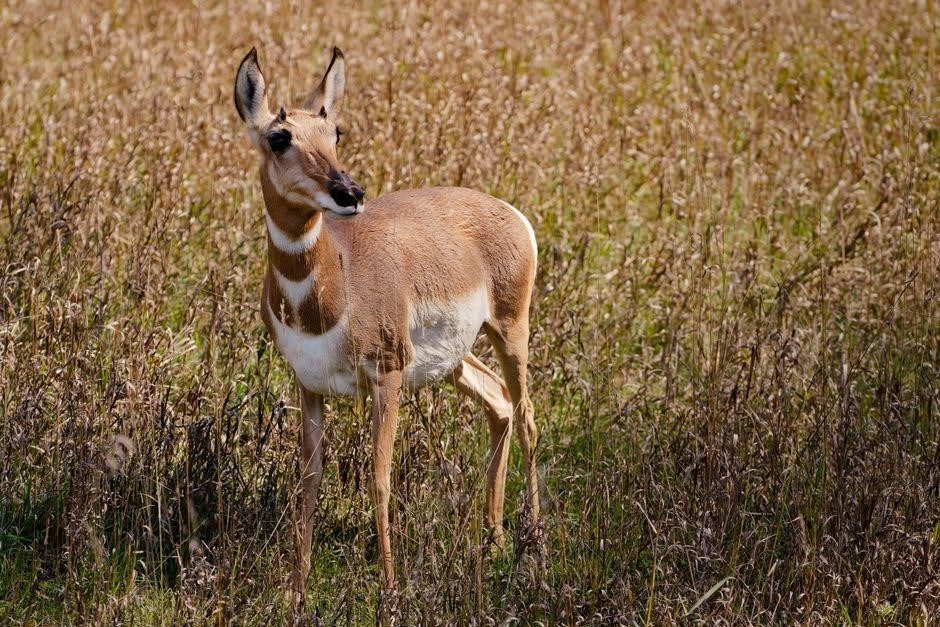
Pronghorn Overview
Pronghorn guided hunts offer seasoned hunters a chance to experience the speed and grace of these iconic antelope. Guided tours provide expert tracking, safety instruction, and legal compliance, ensuring responsible harvests while preserving population health. Learn sustainable harvest methods.!
Habitat and Distribution
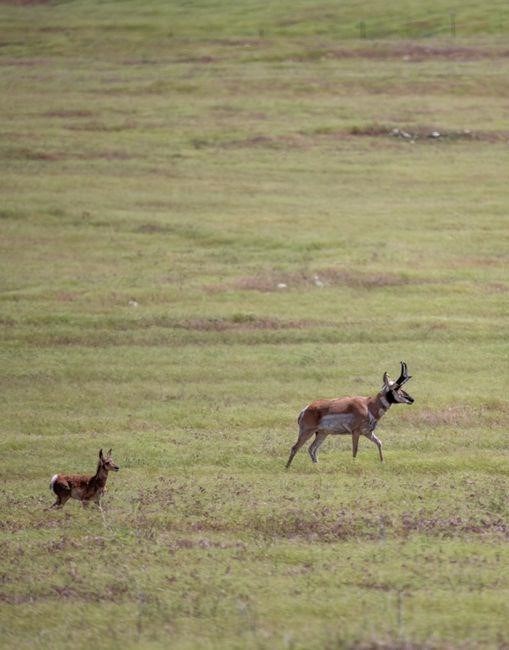
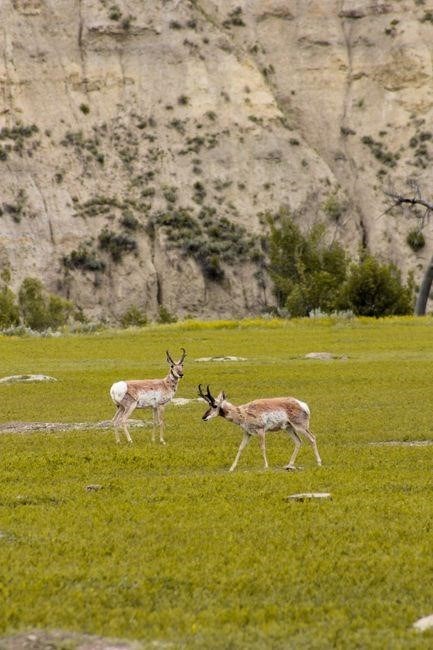
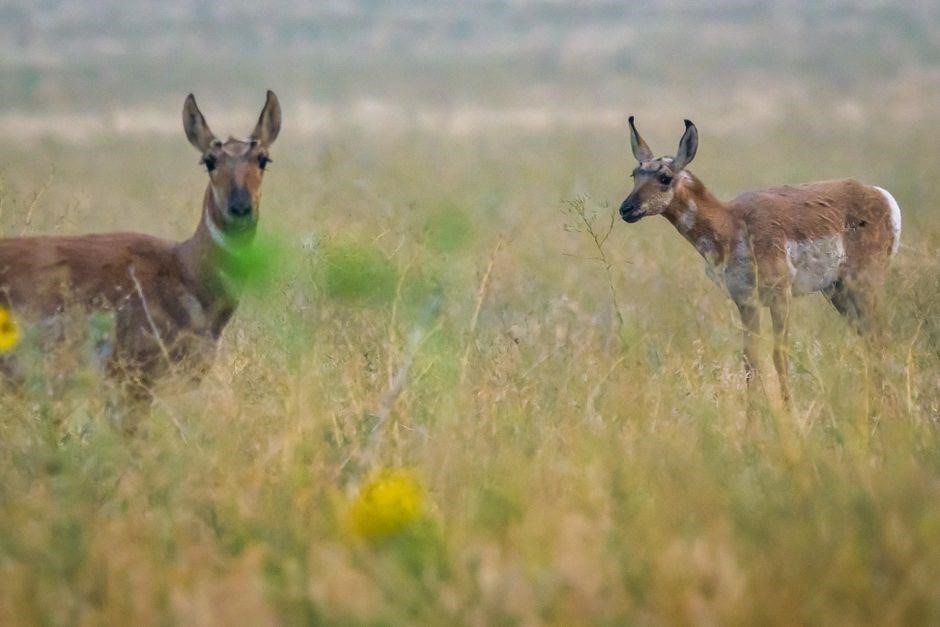
Pronghorns thrive in open plains, grasslands, and semi‑arid shrublands across the western United States. Guided hunts focus on regions with robust populations, such as the Great Plains, Texas Panhandle, and Colorado’s high‑elevation plateaus. In Texas, the Parks & Wildlife Department designates public hunting areas that balance accessibility for families with conservation goals, featuring rolling prairies and riparian corridors that provide natural cover and forage diversity.
In Colorado, the Parks & Wildlife agency monitors pronghorn distribution via aerial surveys and telemetry. Guided hunts target zones with high density during the rut, ensuring fair harvests while protecting vulnerable sub‑populations. The plan emphasizes habitat connectivity, enabling pronghorn movement between feeding and bedding sites for genetic flow.
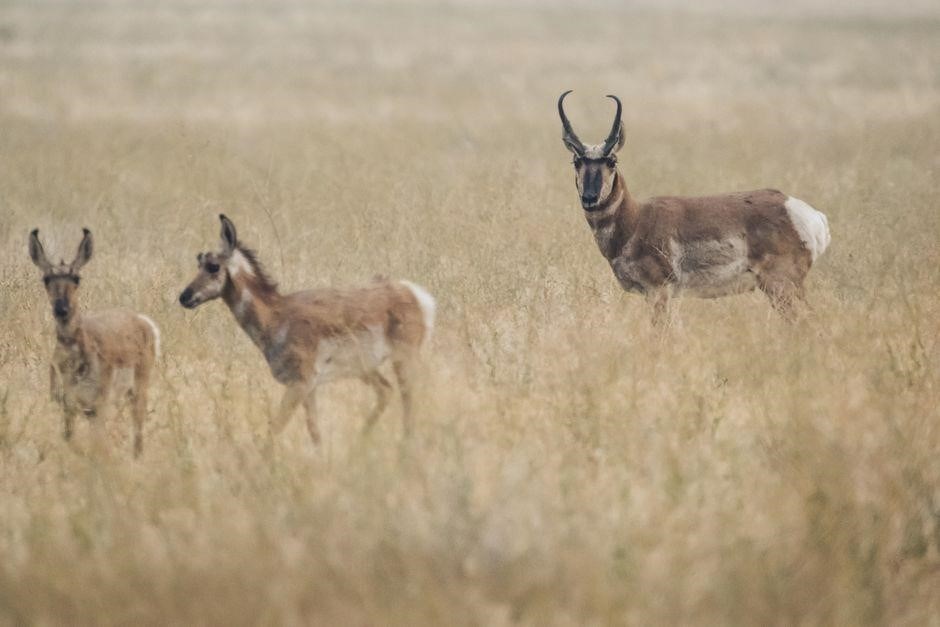
Across the western range, pronghorns favor flat or gently rolling terrain that enables rapid escape from predators. Their diet is mainly grasses, forbs, and occasional shrubs, and they migrate seasonally to follow forage. Guided hunt operators use satellite‑enabled tracking to locate herds and employ stealth tactics to approach without disturbing the herd’s rhythm.
By focusing on these habitats, guided hunts provide an exciting sporting experience and support scientific monitoring and habitat restoration projects that benefit pronghorn populations for generations. It also offers outreach to youth and us
Hunting Regulations (Federal and State)
Pronghorn guided hunts must adhere to both federal statutes and state‑specific rules. The U;S. Fish & Wildlife Service enforces the Migratory Bird Treaty Act and the Endangered Species Act, which set baseline limits on harvest and require permits for any non‑resident hunters. Each state then issues its own license categories, bag limits, and seasonal windows. In Texas, the Parks & Wildlife Department offers adult and youth‑only permits during designated public hunting periods, with a maximum of two animals per season for guided hunts. Hunters must also obtain a special “Guided Hunt” endorsement, which includes proof of a certified guide, a valid hunting license, and compliance with the state’s “no‑shoot” zone regulations that protect nesting areas and water sources.
Colorado’s Parks & Wildlife agency imposes a 12‑animal bag limit per season for guided hunts, with a 4‑animal limit for residents and 6 for non‑residents. The state mandates a 30‑minute “no‑shoot” period after the first 30 minutes of the season to allow herd movement. Guided hunters must carry a state‑issued “Pronghorn Guide” certificate, and guides are required to have a minimum of five years of experience and a valid guide license. Additionally, Colorado enforces a “shoot‑in‑the‑air” restriction that prohibits shooting from elevated positions such as cliffs or hillsides to reduce the risk of stray bullets.
Both states require hunters to register their harvests within 24 hours of the kill and to submit a field report that includes GPS coordinates, animal age, and weight; Failure to comply can result in fines, license suspension, or revocation. Guided hunt operators must also maintain liability insurance and adhere to the National Firearms Act for any specialized equipment. By following these layered regulations, hunters protect pronghorn populations while ensuring public safety and legal compliance.
Texas Public Hunting Opportunities
Sportsmen looking for an affordable family activity should consider Texas public hunting opportunities. The Texas Parks & Wildlife Department will be offering adult and youth only hunts by special permits, allowing guided groups to experience pronghorn in their natural habitat. These guided hunts are scheduled during the state’s designated public hunting season, typically from early October through late November, and are tailored to accommodate families with varying experience levels. Participants receive a comprehensive briefing on safety protocols, ethical hunting practices, and local wildlife regulations before heading out. The guided experience includes expert tracking, live animal observation, and the chance to harvest a pronghorn under the supervision of certified guides. Hunters are required to bring their own firearms and ammunition, but the department provides essential equipment such as rangefinders, binoculars, and first‑aid kits. Each hunt is limited to a small group to ensure a low‑impact, high‑quality experience. The Texas Parks & Wildlife Department also offers youth‑only hunts, giving younger hunters a chance to learn responsible hunting skills in a controlled environment. The guided hunts are priced competitively, with packages that include transportation, lodging, and meals, making them an attractive option for families seeking a memorable outdoor adventure. All participants must hold a valid Texas hunting license and a special guided hunt endorsement, which can be obtained through the department’s online portal. To book a guided hunt, visitors must contact the department’s reservation office via phone or the official website. Reservations open at 8:00 a.m. on the first day of the season and are filled on a first‑come, first‑served basis. The cost per person ranges from $250 to $350, depending on the length of the hunt and included amenities. Families can also opt for a multi‑day retreat that incorporates additional wildlife viewing opportunities, such as elk or deer hunting, to maximize the value of their trip. Participants also benefit from the department’s educational outreach, which includes workshops on wildlife biology, habitat stewardship, and the importance of maintaining healthy pronghorn populations. These workshops are free of charge and are scheduled on the same day as the hunt, ensuring that hunters leave with a deeper appreciation for the species they pursue. By participating in these guided hunts, sportsmen support conservation efforts while enjoying the thrill of pronghorn hunting in the Lone Star State.
Colorado Hunting Season and Policy Updates
In Colorado, the federal government shutdown has temporarily spared the lives of several pronghorn. Colorado Parks and Wildlife announced this week that hunt on public lands will resume under updated regulations emphasizing sustainable harvest and wildlife stewardship. The new policy introduces a staggered season schedule: early‑season hunts begin in late September, while a late‑season window extends into December. Guided hunt packages now require participants to obtain a Colorado hunting license and a guided‑hunt endorsement, ensuring adherence to strict safety protocols, ethical hunting practices. A new electronic reservation system lets hunters book guided hunts online and receive real‑time updates on conditions. All guided hunts must be conducted by certified guides who have completed the state’s mandatory training program, covering animal identification, tracking techniques, and emergency response. The updated regulations also impose a quota system limiting the number of pronghorn harvested per hunt to maintain healthy population levels across the state’s diverse ecosystems. Hunters benefit from educational outreach offering workshops on wildlife biology, habitat management. The policy encourages non‑lethal tracking methods—GPS collars, camera traps—to monitor movements and reduce hunting impact. By aligning hunting practices with conservation goals, Colorado’s updated policy seeks to balance recreational opportunities with sustainability of pronghorn populations.
Guided Hunt Packages and Providers
Pronghorn guided hunts attract hunters seeking expert guidance, tailored itineraries, and a chance to harvest these swift ungulates responsibly. Leading providers across the western United States offer a range of packages that combine seasoned tracking skills, local ecological knowledge, and logistical support. Packages vary in duration—from single‑day excursions to multi‑day treks—allowing clients to choose the intensity that best fits their schedule and skill level. Many operators emphasize “low‑impact” hunting, using non‑lethal tracking methods such as GPS telemetry and camera traps to locate herds before the hunt, thereby reducing disturbance to surrounding wildlife. Guided hunts typically include a licensed guide, safety briefing, and all necessary permits, ensuring compliance with state regulations. Some companies partner with wildlife conservation organizations, directing a portion of proceeds toward habitat restoration and research. Pricing structures often reflect the level of service: basic packages cover transportation and guide fees, while premium options add overnight accommodations, field dressing assistance, and post‑hunt processing. In addition to standard pronghorn hunts, several providers offer “combo” packages that include other species such as elk or mule deer, providing a diversified hunting experience. Clients can book online through the operators’ websites, which provide detailed itineraries, gear checklists, and real‑time updates on weather and field conditions. By choosing a reputable guided hunt provider, hunters gain access to expert knowledge, enhanced safety, and the satisfaction of contributing to sustainable wildlife management. Guides also arrange optional cultural tours, such as visits to historic ranches and talks on pronghorn ecology, enriching the experience beyond the hunt itself
Safety Protocols and Legal Compliance
All participants must complete today The guide provides a map of the area, marking safe routes and zones. If wildlife is injured, the guide coordinates with local veterinary services for care. Hunters follow “leave no trace” principles, packing out waste Federal regulations, such as the Migratory Bird Treaty Act, are enforced to protect non‑target species.
Gear Essentials and Field Equipment
Pronghorn guided hunts demand a specialized kit that balances performance, safety, and environmental stewardship. The core firearm is a high‑velocity rifle (7.62×51mm or .308) with a scope of 4–12×, ensuring clear sightlines over the open plains. A reliable backup handgun (9mm or .45) is essential for close encounters or emergencies. Ammunition should be lead‑free to comply with federal regulations and reduce ecological impact.
Optics are critical: a top‑grade binocular set (10×42) for early detection, a rangefinder (0–2000 m) for accurate distance estimation, and a GPS unit with pre‑loaded pronghorn range maps. A durable, water‑resistant field radio (VHF or UHF) keeps the group connected during long drives. Personal protective gear includes a high‑visibility vest, a wide‑brim hat, and polarized sunglasses to cut glare.
Field gear must support rapid dressing and transport. A lightweight, insulated cooler, a set of field knives, a portable saw for carcass splitting, and a first‑aid kit with tourniquets and hemostatic agents are non‑negotiable. A collapsible tarp or shade cloth protects the harvest from sun and wind, while a sturdy backpack holds water, snacks, and a spare clothing layer. A multi‑tool and a high‑capacity flashlight or headlamp with spare batteries are indispensable for night operations.
Finally, always carry a copy of your permits, a whistle for emergency signaling, and a small first‑aid kit with bandages and antiseptic wipes. A lightweight tarp or poncho protects the gear from rain, while a compact cooler keeps water chilled. With these essentials, hunters can focus on the hunt while staying safe, compliant, and respectful of the pronghorn population.
Carry a whistle, first‑aid kit, and a copy of permits. A lightweight tarp protects gear from rain, while a compact cooler keeps water chilled. Focus on safety compliance!
Pronghorn Behavior and Tracking Techniques
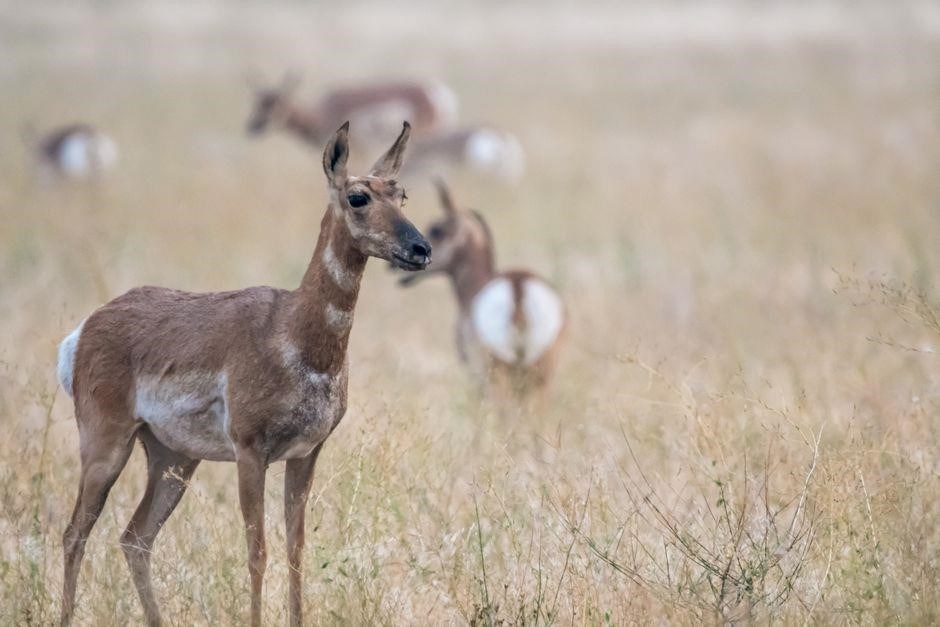
Pronghorn guided hunts rely on understanding their diurnal patterns and herd dynamics. Antelope move in loose “V” or “U” formations, with front individuals spotting predators. Their speed—up to 55 mph—requires hunters to anticipate sudden sprints and maintain a safe distance before shooting.
- Vigilance cues: A pronghorn’s ears swivel independently; a sudden shift toward a sound often signals a threat.
- Track patterns: Fresh tracks are shallow and spaced 12–18 inches apart. A “track line” that widens or narrows can indicate a change in herd density or a potential escape route.
- Water and forage cues: In arid ranges, pronghorn cluster around limited water sources. A sudden increase in grazing near a waterhole can signal a herd’s presence.
- Wind direction: Pronghorn can detect windborne odors. Hunters should position themselves downwind to reduce scent detection.
Guided hunts often employ a “track‑and‑track” method: a guide first locates fresh tracks, then follows the herd’s movement, adjusting the hunt’s approach based on real‑time observations. Using a GPS and a calibrated rangefinder, the guide can estimate the distance to the nearest individual, ensuring that the shot is both ethical and within legal limits. By combining behavioral insight with precise tracking, hunters increase their chances of a successful, sustainable harvest.
These hunts blend precision, respect for wildlife, the chase, making each outing a true adventure!.
Sustainable Management and Conservation Practices
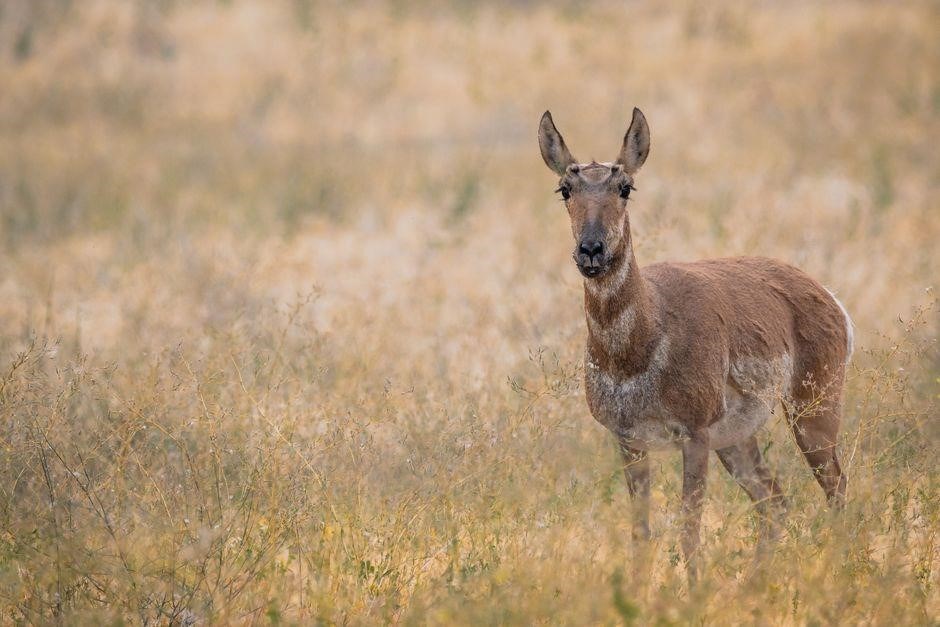
Pronghorn guided hunts are designed to align with long‑term population health goals. Managers use annual surveys to estimate herd size, age structure, and reproductive success. Harvest quotas are set at 5–10% of the estimated population, ensuring that removal rates do not exceed natural mortality. Guided operators receive training in ethical shooting, carcass processing, and data collection, which feeds back into state wildlife agencies.
- Population monitoring: field teams record GPS locations of harvested animals, sex, age, and condition.
- Habitat stewardship: hunters help maintain riparian corridors, control invasive species, and support native forage restoration.
- Data sharing: harvest reports are uploaded to a central database, enabling adaptive management and research collaborations.
- Community outreach: guided hunts provide educational workshops on wildlife biology, conservation science, and responsible hunting practices.
- Regulatory compliance: all hunts follow federal and state regulations, including permits, bag limits, and seasonal restrictions.
By integrating scientific monitoring, habitat protection, and public education, pronghorn guided hunts contribute to a balanced ecosystem while offering hunters a rewarding experience.
Guided hunts also serve as citizen science platforms where participants log sightings and GPS coordinates. This data enriches state wildlife databases, informs quota adjustments, and supports studies on pronghorn migration patterns and habitat use.
Participants record weather!!.
Processing, Storage, and Field Dressing
Field dressing a pronghorn requires a clean, efficient approach to preserve meat quality and minimize contamination. Begin by placing the animal on a flat, stable surface and securing it with a rope or sling. Use a sharp, well‑balanced knife to make a precise ventral incision from the sternum to the base of the tail, cutting through the skin, muscle, and fascia.
- Remove the internal organs carefully, keeping the stomach and intestines intact to prevent spillage.
- Extract the heart, lungs, liver, and kidneys, noting any abnormalities for future data collection.
- Rinse the cavity with clean water, then pat dry with a clean towel.
After organ removal, cut the hindquarters and forequarters in a single pass, ensuring minimal muscle damage. Store the carcass in a cooler with ice packs, maintaining a temperature below 40°F (4°C) to inhibit bacterial growth. If immediate processing is not possible, wrap the meat in clean, breathable material and keep it refrigerated.
For long‑term storage, use vacuum sealing or airtight containers to reduce freezer burn. Label each package with the harvest date, location, and hunter ID. Follow local regulations regarding transport and storage to remain compliant with state wildlife laws.
All hunters should carry a first‑aid kit and a field guide to document harvest details. Proper hygiene, such as washing hands after dressing, reduces contamination risk now!!
Culinary Traditions and Recipe Ideas
Pronghorn meat, prized for its lean flavor, has been a staple in frontier kitchens. Traditional preparations emphasize quick cooking to preserve tenderness, while modern chefs experiment with marinades and slow‑roasting techniques that highlight the animal’s and nutty undertones.
- Pronghorn Stew – A hearty pot of stewed meat, root vegetables, and a splash of red wine, simmered for hours to develop deep flavor.
- Roasted Pronghorn Tenderloin – Seasoned with rosemary, garlic, and a drizzle of olive oil, then roasted until the internal temperature reaches 135°F for medium‑rare.
- Smoked Pronghorn Ribs – Slow‑smoked over hickory wood, seasoned with a dry rub of brown sugar, paprika, and a hint of cayenne.
- Ground Pronghorn Chili – Ground meat cooked with beans, tomatoes, and chili spices, served with fresh cilantro and lime wedges.
- Pronghorn Jerky – Thinly sliced, marinated in soy sauce, Worcestershire, and smoked paprika, then dehydrated to create a high‑protein snack.
When cooking, keep the meat moist by basting with its own juices or a compound butter. Pair dishes with locally sourced grains, such as quinoa or wild rice, and seasonal greens to balance the lean protein. These recipes honor the heritage of pronghorn hunting while showcasing modern culinary creativity; Enjoy responsibly and share the bounty with family and friends!
Conservation Impact and Wildlife Management Goals
Pronghorn guided hunts are designed to align with state and federal wildlife management objectives. By limiting harvest to specific seasons and populations, agencies maintain healthy herd dynamics while providing recreational opportunities. Guided operators often collaborate with wildlife biologists to monitor age‑class composition, ensuring that younger animals remain in the population for future growth. Data collected during hunts feed into adaptive management plans, allowing managers to adjust quotas, habitat restoration efforts, and predator control measures. Sustainable harvest practices also reduce over‑harvest risk, preserving genetic diversity and preventing population bottlenecks. In addition, guided hunts generate revenue that supports conservation programs, habitat acquisition, and public education initiatives. Hunters who participate in guided hunts receive training on ethical harvesting, proper field dressing, and compliance with regulations, fostering a culture of stewardship. By integrating scientific monitoring, community engagement, and responsible hunting, pronghorn guided hunts contribute to long‑term species viability and ecosystem health. These collaborative efforts also support habitat restoration projects, such as riparian buffer improvements and management, ensuring that pronghorn have access to forage. Moreover, the data gathered informs adjustments, helping balance hunting pressure with ecological resilience more!
Economic and Community Benefits of Guided Hunts
Pronghorn guided hunts generate significant economic inflows for rural economies. Hunters spend on travel, lodging, gear, and local services, injecting capital into small businesses and creating seasonal jobs. The revenue supports restaurants, outfitters, and lodging facilities, boosting local employment and tax bases. Community benefits extend beyond dollars; guided hunts foster stewardship, as participants often volunteer in habitat restoration and wildlife monitoring projects. These collaborative efforts strengthen conservation awareness and enhance public support for wildlife management. Additionally, guided hunts promote cultural heritage by preserving traditional hunting practices and encouraging intergenerational knowledge transfer. The influx of visitors also increases demand for local tourism infrastructure, encouraging investment in roads, signage, and visitor centers. Finally, the partnership between hunting outfitters and landowners creates incentive for land stewardship, as well‑managed grazing and predator control improve ecosystem health, benefiting both wildlife and agricultural interests. By aligning economic incentives with conservation goals, pronghorn guided hunts sustain vibrant rural communities while ensuring long‑term species viability. These hunts also support local economies by providing opportunities for small‑scale tourism, fostering community pride, and encouraging responsible stewardship that benefits future generations for future.