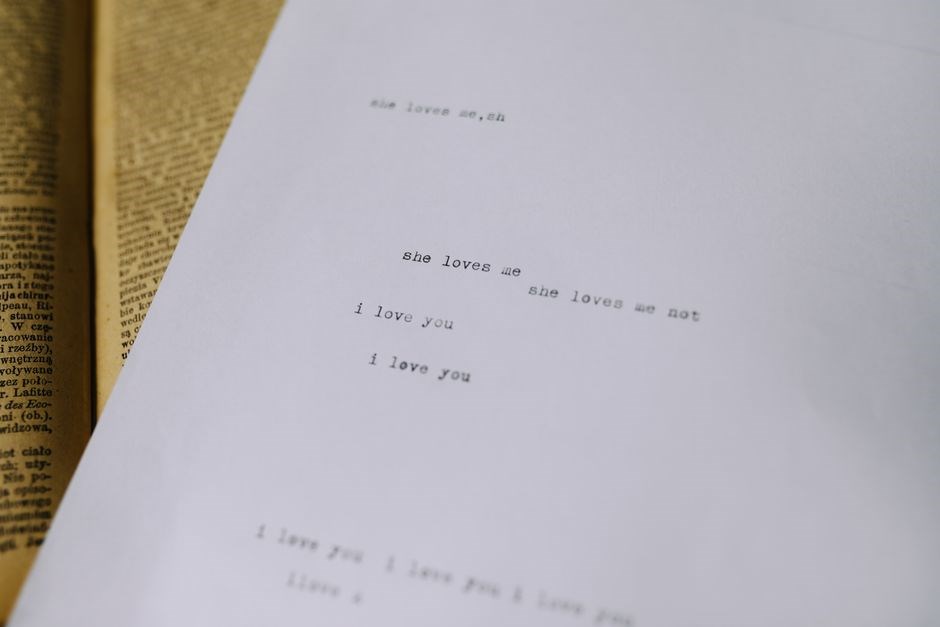
Printable blackout poetry PDFs provide source texts for quick classroom use. for all A popular set includes 50 worksheets, each paired with PowerPoint slides guiding students through selecting, highlighting, and erasing passages. These materials shared by educators streamline lesson planning and spark creativity.
Definition and Creative Potential of Blackout Poetry
The result is a classroom environment where students feel empowered remix existing content, explore language, and produce poems that reflects their perspectives.

Printable Texts for Blackout Poetry PDFs
Our printable blackout poetry PDFs feature 50 ready‑made worksheets, each paired with PowerPoint slides that guide students through the creative process. These resources, shared by educators, provide clear instructions, sample poems, and printable templates for classroom use. Use them in groups to spark creativity!!
Common Sources: Newspapers, Magazines, and Books
When working sources, educators should encourage kids think critically about power. By passages social environmental personal, kids poems creativity foster empathy. Integrating digital tools such PDF editors online blackout generators streamline process, allowing kids experiment layouts before finalizing work. Teachers assign peer review sessions classmates critique each other’s poems focusing clarity emotional impact effectiveness blackout technique. This collaborative approach reinforces learning objectives building confidence. Compiling portfolio kid blackout poems serves meaningful assessment demonstrating growth literary analysis visual composition expressive writing. These projects encourage digital literacy kid learn navigate PDF tools online resources responsibly. They inspire creative expression celebrate artistic achievements classroom. Collaborative learning future creative projects. Students daily can also share their blackout poems with classmates, receiving feedback that helps refine their poetic voice and deepen appreciation for language nuances. Such activities encourage critical thinking and foster a collaborative learning environment. Students gain confidence through expression today everywhere. They also develop a deeper appreciation for language.

Finding High-Quality Source Texts
Use public domain archives, library digitized newspapers, and free eBook sites. Filter by genre, date, and length. Verify copyright status before printing. Curate diverse voices to enrich student exploration and ensure legal, accessible PDFs for classroom use. for all ages
Using Public Domain Collections and Free Resources
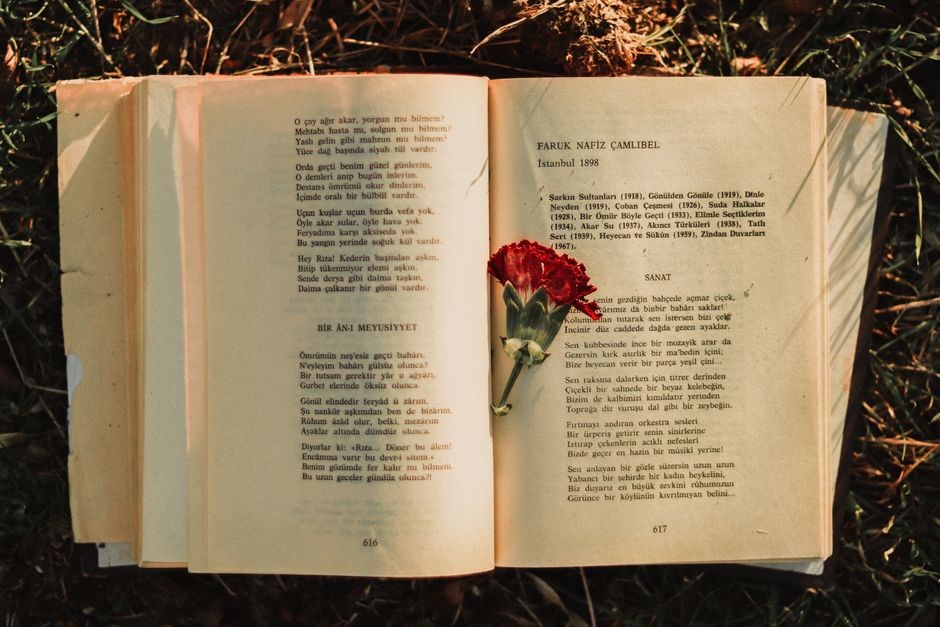
Public domain collections are a goldmine for blackout poetry. Sites such as Project Gutenberg, Internet Archive, and Google Books offer thousands of free, legally printable texts. When searching, filter by genre, length, and publication date to match classroom objectives. For example, short poems, newspaper clippings, or classic novels can be sliced into manageable segments. Many libraries provide digital lending portals that allow educators to download PDFs directly. Additionally, the U.S. Government’s govinfo.gov hosts a vast array of public domain documents, from congressional records to historical newspapers. Creative Commons‑licensed works can also be used if the license permits commercial use and redistribution. Always verify the license before printing. Once a text is chosen, convert it to a clean PDF with consistent margins and a readable font size. This ensures that students can easily highlight and erase passages. Printing in high resolution (300 dpi) preserves the integrity of the original layout, making the blackout process smoother. By leveraging free resources, teachers can assemble texts that inspire creativity and respect copyright law. Teachers can PDFs for use by converting them to forms. When worksheets, provide on selecting words. Offering source materials empowers enriching learning and promoting appreciation.!
Editing and Redacting Texts Online
Online editors let teachers highlight, strike through, or mask words in PDFs. Tools like PDFescape, Sejda, and Adobe Acrobat DC offer redaction features. Practice erasing phrases preserving layout, ensuring printable worksheets remain clean and ready for classroom use. Now.
Tools for Highlighting and Erasing Text Portions
When preparing printable blackout poetry PDFs, teachers need reliable software that lets them quickly mark and remove words while preserving the original layout. Several free and paid options exist, each with strengths that suit different classroom sizes and technical comfort levels. Below is a concise guide to the most popular tools, how they work, and why they fit the blackout poetry workflow.
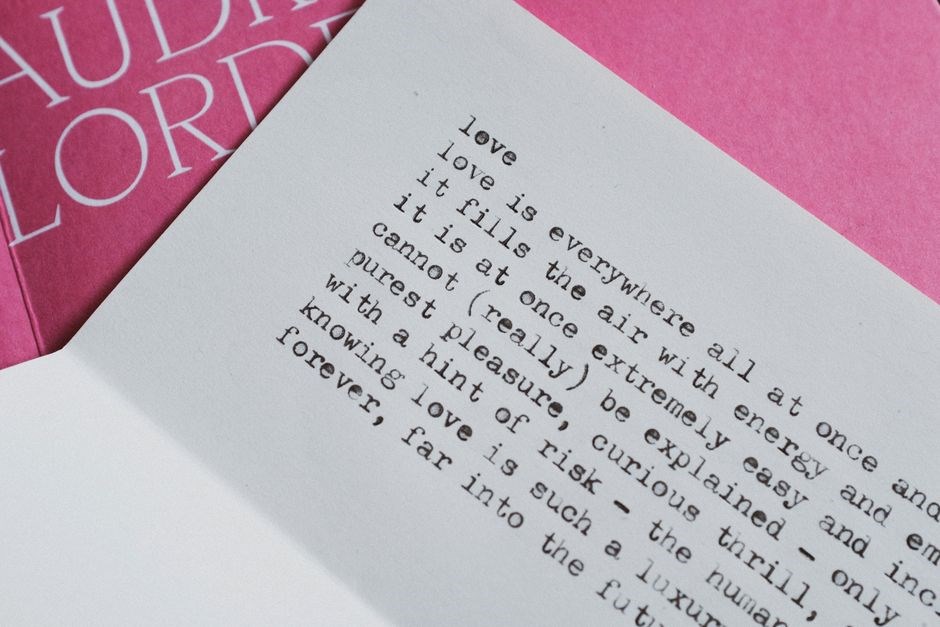
- PDFescape (Free) – A web‑based editor that lets you highlight text and cover words with a black box. The edited PDF saves directly to your computer, making it quick to produce printable worksheets.
- Sejda PDF Editor (Free & Premium) – Use the “Redact” tool to permanently erase text and replace it with a black rectangle. The free tier allows three edits per hour, while the premium version supports batch processing.
- Adobe Acrobat DC (Paid) – Acrobat’s “Redact” feature offers precise control, hiding characters and checking for bleed. It’s ideal for ensuring PDFs print cleanly on school printers.
- Smallpdf (Free & Pro) – The “Edit PDF” tool lets you drag an eraser over text. Pro users get unlimited edits and a PDF‑to‑Word conversion for extra flexibility before re‑exporting.
- Foxit PDF Editor (Free Trial & Paid) – Foxit’s “Redact” tool is lightweight and fast. The free trial lets teachers test before committing to a subscription, ideal for schools on a budget.
All these tools support the essential steps of blackout poetry creation: selecting a source text, marking the words to keep, and covering the rest. By choosing the right editor, teachers can streamline the process, reduce manual effort, and produce professional‑looking worksheets that students can print, color, and display. Students can then share their creations online or display them in class, fostering a collaborative creative environment!!
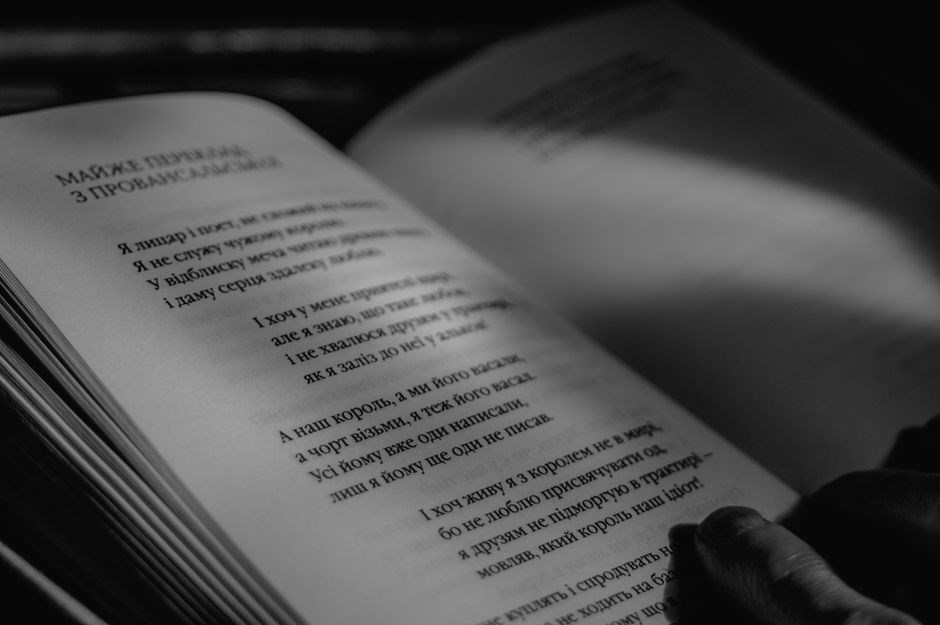
Formatting PDFs for Classroom Use
Formatting PDFs for classroom use ensures access and print quality. Use standard 8.5×11 layout, 300‑dpi resolution, and embed fonts. Add page numbers and a header with class name. Export as PDF/A for long‑term preservation. Test on school printers before distributing worksheets.
Ensuring Accessibility and Print Quality
Provide a high‑contrast PDF version for students with low vision, using a white background and black text, and a version with larger fonts, for benefit zoomed‑in text. Include a brief tutorial on screen readers and offer a printable glossary of key terms such as ‘erasure’, ‘highlight’, and ‘redaction’. Finally, test the PDFs on the school’s shared printer to confirm ink density and line spacing remain consistent, ensuring a smooth, frustration‑free experience for all learners…
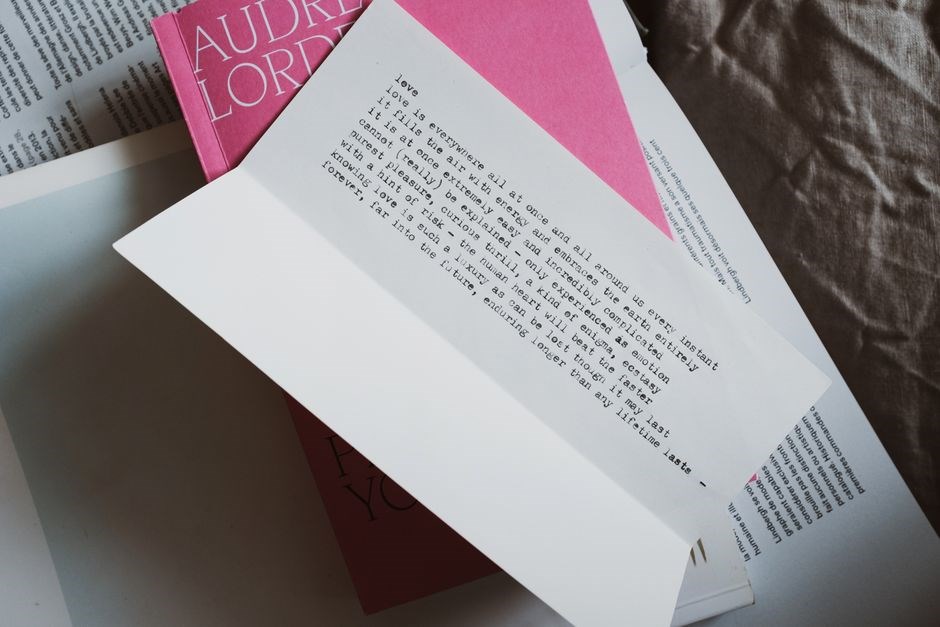
Integrating PowerPoint Presentations
Embed the 50‑worksheet PDF set into a PowerPoint deck. Insert each PDF page as an object, then add prompts: “Highlight words,” “Erase text,” and “Share your poem.” This lets students view source material directly on the slide. Students can print or share poems today OK
Embedding PDF Worksheets into Slides
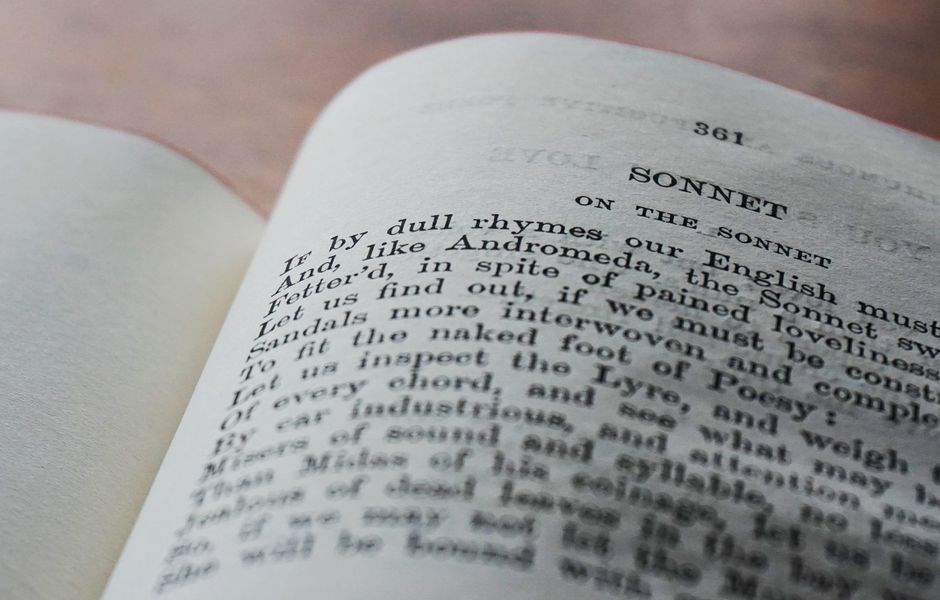
To embed printable blackout poetry worksheets into a PowerPoint presentation, follow these steps: 1. Open the PDF file containing the 50 worksheets. 2. In PowerPoint, choose Insert → Object → Create from File. 3. Browse to the PDF, select “Link” if you want updates to sync, or “Display as icon” for a clickable thumbnail. 4. Resize the object to fit the slide layout, ensuring the text remains legible. 5. Add a title and brief instructions on the slide, such as “Highlight words, erase text, and craft a poem.” 6. Duplicate the slide for each worksheet or use a master slide to keep formatting consistent. 7. Test the embedded PDF on a projector to confirm that the PDF viewer opens correctly. 8. Save the presentation as a .pptx file and distribute it to students, who can then print or annotate the PDF directly from the slide. This method keeps the lesson organized and allows teachers to quickly switch between worksheets during instruction.
When students finish a worksheet, encourage them to scan their poems and upload them to a shared drive. Use a simple rubric that values originality, clarity, and creative use of source language. For advanced classes, add a peer‑review step where classmates comment on each other’s work. This collaborative process deepens engagement and reinforces poetic analysis skills.
Finally, compile all student poems into a PDF anthology. Use a free online PDF merger or a desktop tool like Adobe Acrobat Reader DC. Share the anthology with the class and celebrate voices that emerged from the blackout process. Enjoy
Creative Workshop Activities
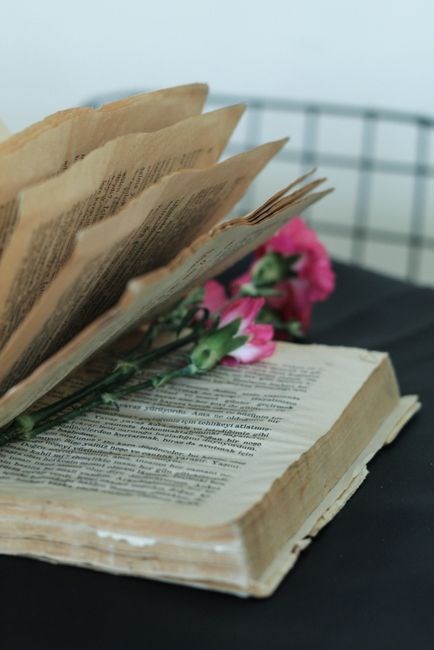
Students receive printable PDFs, choose a passage, highlight key words, and erase the rest to reveal a poem. They then share their creations in small groups, discuss word choices, and compile a class anthology. This handson activity boosts creativity and literacy — enjoy:)
!
Student-Led Blackout Poetry Projects and Showcases
Students use the 50‑page printable PDF set, each page paired with a PowerPoint slide that explains the process of selecting, highlighting, and erasing text to create a poem. In a workshop setting, learners choose a source text, underline the words that resonate, and cross out the rest, revealing a new narrative. After crafting their pieces, groups present their poems in a showcase, discussing the choices of language, rhythm, and imagery. The project encourages collaboration, critical thinking, and a deeper appreciation for the creative potential of everyday texts. Teachers can upload the PDFs to a shared drive, allowing students to download and print at home or in class. The showcase can be recorded, archived, and shared with the broader school community, turning a simple exercise into a celebration of student voice and artistic expression.