
Article Plan: Church of God in Christ Official Manual
This manual details the COGIC’s history‚ beliefs‚ structure‚ and practices‚ encompassing worship‚ discipline‚ education‚ and outreach to its global community of believers.
I. Historical Foundations of the COGIC
The Church of God in Christ (COGIC) emerged from the fervent Pentecostal movement of the early 20th century‚ rooted in the Holiness tradition. Its origins trace back to 1897 in Lexington‚ Mississippi‚ with Charles H. Mason and Charles P. Appling establishing the initial Christian faith-based organization.
Early gatherings focused on spiritual experiences‚ including speaking in tongues and divine healing‚ differentiating it from established denominations. In 1907‚ the organization formally adopted the name “Church of God in Christ‚” solidifying its identity. The COGIC rapidly grew‚ particularly within African American communities‚ offering spiritual empowerment and a sense of belonging during a period of significant social and racial challenges.
This growth was fueled by missionary work and the establishment of numerous local churches across the United States and‚ eventually‚ internationally. The historical foundations of COGIC are deeply intertwined with the pursuit of religious freedom and the empowerment of a marginalized community.
II. Doctrinal Beliefs – Core Tenets
COGIC’s doctrinal foundation centers on the belief in one God‚ manifested in the Trinity: Father‚ Son (Jesus Christ)‚ and Holy Spirit. Central to their faith is the full divinity of Jesus Christ‚ His atoning sacrifice for humanity’s sins‚ and His resurrection.
The Pentecostal experience‚ including baptism in the Holy Spirit evidenced by speaking in tongues‚ is considered essential for Christian living. COGIC affirms the Bible as the inspired and infallible Word of God‚ the ultimate authority for faith and practice.

Key tenets include salvation through faith in Jesus Christ‚ water baptism by immersion‚ and the observance of the Holy Communion. They believe in divine healing‚ the imminent return of Christ‚ and the importance of holy living‚ striving for sanctification and a life pleasing to God. These beliefs shape the COGIC’s worship and daily life.
III. Organizational Structure of the COGIC
The Church of God in Christ operates under a hierarchical structure‚ emphasizing both national unity and local autonomy. At the apex is the General Assembly‚ convened every two years‚ comprising bishops and key leaders who establish church-wide policies and address critical issues.
Below the General Assembly are various departments overseeing specific ministries like evangelism‚ education‚ and women’s work. The organizational framework extends down through districts‚ each led by a district superintendent‚ and ultimately to individual local churches governed by their pastors and boards.
This structure facilitates coordinated efforts in missions‚ education‚ and outreach while allowing local churches to adapt to their community’s unique needs. Accountability and adherence to COGIC doctrine are maintained throughout all levels of the organization‚ ensuring consistent standards and effective ministry.
III.A. National Church Leadership
COGIC’s national leadership is vested in the General Assembly‚ a body of bishops representing districts across the globe. The Presiding Bishop‚ elected by the Assembly‚ serves as the spiritual and administrative head‚ guiding the church’s overall direction and representing it nationally and internationally.
Assisting the Presiding Bishop are Assistant Presiding Bishops‚ who oversee specific departments and initiatives. The General Secretary manages administrative functions‚ while other key leaders direct departments focused on areas like finance‚ education‚ and evangelism.
These leaders collectively establish policies‚ resolve disputes‚ and ensure the church operates in accordance with its doctrinal beliefs and constitutional guidelines‚ fostering unity and effective ministry across the denomination.
III.B. District and Local Church Governance
COGIC’s district structure operates under the authority of the National Church Leadership‚ with each district overseen by a District Superintendent appointed by the Presiding Bishop. The Superintendent provides guidance‚ support‚ and accountability to the local churches within their assigned district.
Local churches are governed by a Pastor and a Board of Elders‚ responsible for spiritual leadership‚ administrative oversight‚ and financial management. Deacons assist with ministry and service‚ while various auxiliaries support specific areas like evangelism‚ missions‚ and Christian education.
This tiered governance system ensures both centralized guidance and local autonomy‚ allowing each church to address the unique needs of its community while remaining aligned with the broader COGIC vision and doctrine.
IV. Ordination Procedures and Requirements
COGIC’s ordination process is rigorous‚ ensuring candidates meet stringent biblical and denominational standards. Aspiring ministers must first obtain a license‚ demonstrating a call to ministry and foundational theological understanding.
Following licensure‚ candidates undergo extensive training‚ including coursework in biblical studies‚ homiletics‚ and pastoral care. They are evaluated on character‚ spiritual maturity‚ and demonstrated ministry effectiveness within the local church.
Ordination requires endorsement from the local pastor‚ district superintendent‚ and ultimately‚ the National Board of Bishops. Successful candidates are then ordained as Elders‚ Ministers‚ or Bishops‚ depending on their qualifications and calling‚ signifying their commitment to lifelong service.
V. Sacraments and Ordinances – COGIC Practice
COGIC observes sacraments and ordinances as sacred acts symbolizing spiritual realities and obedience to Christ’s commands. Baptism‚ typically by full immersion‚ signifies the believer’s death to sin and resurrection to new life in Christ‚ a public declaration of faith.
Holy Communion‚ or the Lord’s Supper‚ is observed regularly‚ commemorating Christ’s sacrifice and fostering fellowship among believers. It’s a solemn occasion of remembrance and spiritual nourishment.
Foot washing‚ a unique COGIC practice‚ embodies humility and service‚ mirroring Christ’s example of washing the disciples’ feet. These ordinances are central to COGIC worship and spiritual growth.

V.A. Baptism – Modes and Significance
COGIC adheres to baptism by immersion as the only scripturally valid mode‚ symbolizing death‚ burial‚ and resurrection with Christ. This public declaration signifies a believer’s commitment to follow Christ and separation from a former life.
Baptism isn’t merely an outward rite but an inward transformation‚ representing cleansing from sin and entering into a new covenant relationship with God. It’s a vital step of obedience following salvation.
Infant baptism is not practiced‚ as COGIC believes baptism requires a conscious profession of faith. The act demonstrates identification with Christ’s death and a commitment to live a life pleasing to God.
V.B. Holy Communion – Observance and Meaning
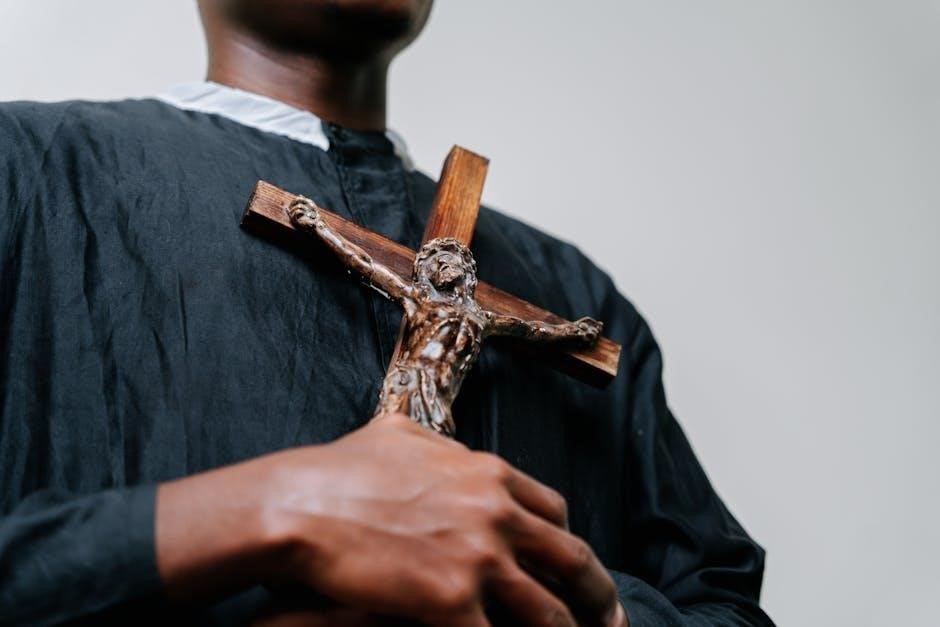
COGIC observes Holy Communion‚ also known as the Lord’s Supper‚ as a sacred ordinance instituted by Jesus Christ during His last Passover meal with disciples. It’s a memorial feast‚ commemorating Christ’s sacrifice on the cross for the remission of sins.
The observance typically involves unleavened bread representing Christ’s body‚ broken for us‚ and grape juice symbolizing His blood‚ shed for our redemption. Participation is reserved for those who are baptized believers in good standing.
Communion isn’t simply a ritual; it’s a profound spiritual experience fostering fellowship with Christ and fellow believers‚ prompting self-examination and renewed commitment to discipleship.
VI. Worship Services – Liturgical Guidelines
COGIC worship services are vibrant‚ expressive‚ and deeply rooted in tradition‚ emphasizing both reverence and enthusiastic praise. Services typically begin with praise and worship‚ often featuring spirited music led by choirs‚ musicians‚ and praise teams.
The order of service generally includes prayer‚ scripture reading‚ a sermon delivered by the pastor‚ and opportunities for testimonies and announcements. A significant element is the “shouting” tradition‚ an outward expression of joy and spiritual fervor.
COGIC services prioritize the preaching of the Gospel and the pursuit of a genuine encounter with the Holy Spirit‚ aiming to create an atmosphere conducive to spiritual transformation and renewal.
VII. Church Discipline – Biblical Principles
COGIC’s approach to church discipline is firmly grounded in biblical principles‚ prioritizing restoration and reconciliation while upholding moral standards. Discipline aims to address sin within the congregation‚ encouraging repentance and preventing further spiritual harm.
The process typically involves private counsel with the offender‚ followed by involvement of church leadership if repentance isn’t forthcoming. Public rebuke may occur‚ guided by Matthew 18 principles‚ always seeking to avoid shaming but maintain accountability.
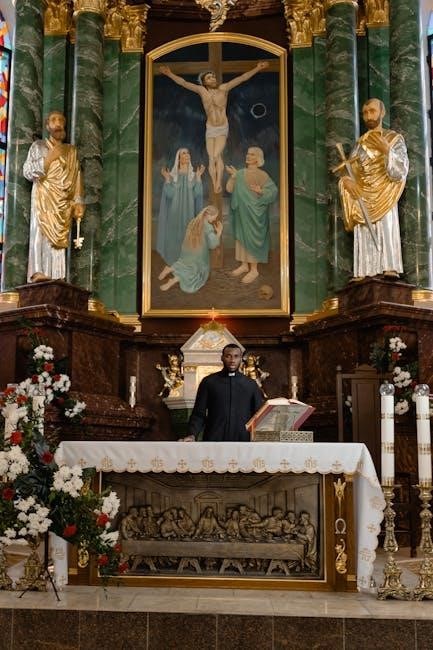
Exclusion from communion or membership are considered last resorts‚ employed only after diligent efforts at restoration have failed. Forgiveness and reintegration are central goals‚ reflecting God’s grace and mercy.
VIII. Missions and Evangelism – COGIC Outreach
COGIC’s commitment to missions and evangelism stems from the Great Commission‚ actively seeking to spread the Gospel globally. Outreach efforts encompass both domestic and international initiatives‚ establishing new churches and supporting existing ministries.
The church emphasizes holistic ministry‚ addressing spiritual and physical needs through various outreach programs. These include providing aid to impoverished communities‚ disaster relief‚ and educational opportunities.
COGIC missionaries are deployed worldwide‚ often working in challenging environments‚ demonstrating unwavering faith and dedication. Evangelistic crusades‚ bible distribution‚ and community engagement are key strategies employed to reach unreached populations‚ fulfilling its divine calling.
IX. Christian Education – Curriculum and Programs
COGIC prioritizes comprehensive Christian education‚ fostering spiritual growth and intellectual development across all age groups. The curriculum is biblically centered‚ emphasizing doctrine‚ discipleship‚ and practical application of faith principles.
Programs range from early childhood education to adult learning‚ equipping members with the knowledge and skills to serve effectively in ministry and society. Sunday School serves as a foundational element‚ providing age-appropriate biblical instruction.
Bible study resources‚ leadership training‚ and theological education are also integral components‚ preparing individuals for various roles within the church and beyond. COGIC aims to cultivate informed‚ engaged‚ and devoted followers of Christ.
IX.A. Sunday School – Structure and Objectives
COGIC’s Sunday School is structured to provide age-graded biblical instruction‚ fostering a lifelong love for learning God’s Word. Classes are organized by age groups – Beginners‚ Primary‚ Intermediate‚ and Youth/Adult – each with tailored lessons and teaching methods.
The primary objective is to lead individuals to a saving knowledge of Jesus Christ and nurture their spiritual growth through consistent Bible study. Sunday School aims to equip members with a foundational understanding of biblical doctrines and principles.
Furthermore‚ it encourages active participation in church life and prepares individuals for effective Christian service. Qualified teachers‚ engaging materials‚ and a supportive learning environment are crucial components of COGIC’s Sunday School program.

IX.B; Bible Study – Methods and Resources
COGIC promotes diverse Bible study methods to cater to varied learning styles‚ including inductive study‚ topical studies‚ and character studies. These methods encourage active engagement with scripture‚ moving beyond mere reading to thoughtful interpretation and application.
Resources utilized include approved COGIC curriculum‚ commentaries‚ Bible dictionaries‚ concordances‚ and digital Bible study tools. Emphasis is placed on contextual understanding‚ considering historical and cultural backgrounds.
Small group Bible studies are highly encouraged‚ fostering fellowship and accountability. Leaders are trained to facilitate discussions‚ answer questions‚ and guide participants in applying biblical truths to their lives. The goal is to cultivate a deeper relationship with God through consistent‚ informed Bible study.
X. Financial Administration – Stewardship and Accountability
COGIC emphasizes financial stewardship as a sacred responsibility‚ reflecting biblical principles of tithing‚ offerings‚ and responsible resource management. All financial practices must adhere to strict accountability standards‚ ensuring transparency and integrity.
The manual outlines procedures for budgeting‚ record-keeping‚ and financial reporting at all levels – local‚ district‚ and national. Designated financial officers receive training in proper accounting procedures and internal controls.
Regular audits are conducted to verify financial accuracy and compliance. Funds are allocated to support ministry initiatives‚ missions‚ and operational expenses‚ always prioritizing the advancement of God’s kingdom. Faithful giving is presented as an act of worship and trust in divine provision.
XI. Pastoral Responsibilities and Ethics
This section defines the multifaceted role of COGIC pastors‚ emphasizing spiritual leadership‚ biblical teaching‚ and compassionate shepherding of the flock. Pastors are called to exemplify Christ-like character‚ maintaining a high standard of ethical conduct in all aspects of life.
The manual details responsibilities including preaching‚ counseling‚ administering sacraments‚ and providing pastoral care. It addresses ethical considerations regarding financial dealings‚ relationships‚ and conflict resolution.
Pastors are accountable to church leadership and expected to adhere to a strict code of conduct. Ongoing professional development and mentorship are encouraged to enhance their effectiveness. Emphasis is placed on integrity‚ humility‚ and a commitment to lifelong learning.
XII; Women’s Department – Roles and Ministries
This section outlines the significant contributions of women within the Church of God in Christ‚ recognizing their vital roles in ministry and leadership. The COGIC Women’s Department fosters spiritual growth‚ provides supportive networks‚ and empowers women to fulfill their God-given potential.
Ministries encompass areas like evangelism‚ discipleship‚ missions‚ and community outreach. The manual details opportunities for women to serve in various capacities‚ utilizing their unique gifts and talents.
Emphasis is placed on biblical womanhood‚ promoting values of faith‚ family‚ and service. Leadership development programs are available to equip women for effective ministry. The department actively supports initiatives addressing the needs of women and families within the church and broader community.
XIII. Youth and Young Adult Ministries – Development and Engagement
This section details the COGIC’s commitment to nurturing the spiritual development of its youth and young adults‚ recognizing them as the future leaders of the church. The manual outlines strategies for engaging this demographic through relevant and impactful ministries.
Programs focus on biblical instruction‚ discipleship‚ leadership training‚ and mentorship opportunities. Emphasis is placed on fostering a strong sense of community and providing a safe space for exploration of faith.
The COGIC encourages youth involvement in evangelism‚ missions‚ and social justice initiatives. Resources are provided to support youth leaders and parents in guiding young people through the challenges of adolescence and young adulthood‚ equipping them to live purposeful lives for Christ.
XIV. Music and Worship – COGIC Tradition
This section explores the rich musical heritage and worship traditions deeply ingrained within the Church of God in Christ. COGIC’s worship style is characterized by passionate expression‚ fervent prayer‚ and dynamic music‚ reflecting its African American roots.
The manual details the significance of gospel music‚ including traditional hymns‚ contemporary praise and worship‚ and the distinctive use of instruments like the organ‚ piano‚ and drums. Emphasis is placed on creating an atmosphere conducive to spiritual encounter and heartfelt adoration.
Guidelines are provided for worship leadership‚ ensuring reverence‚ order‚ and inclusivity. COGIC believes music is a powerful tool for evangelism‚ edification‚ and glorifying God‚ fostering a vibrant and transformative worship experience.
XV. Dispute Resolution – COGIC Protocols
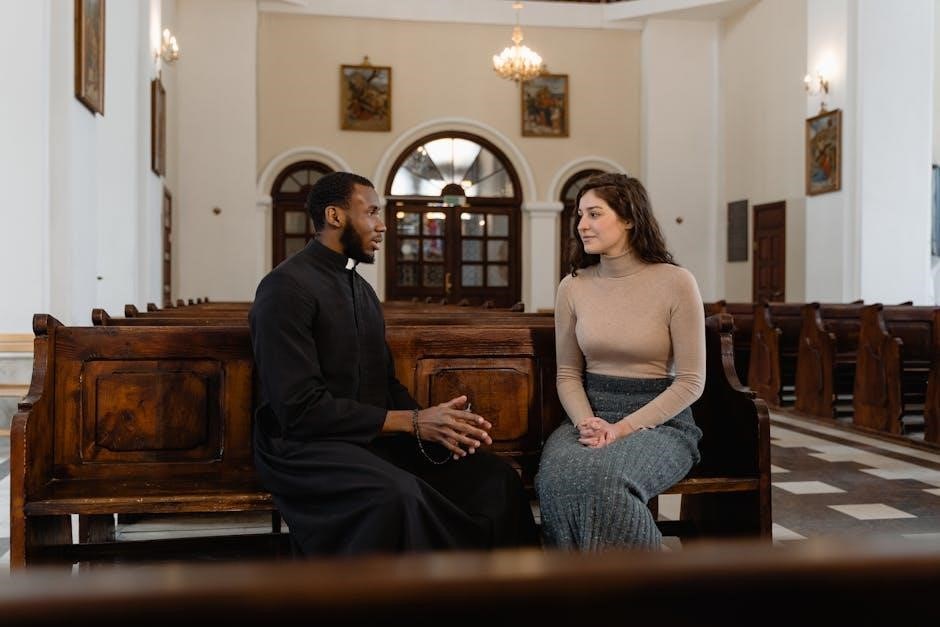
This section outlines the established procedures for addressing conflicts and resolving disputes within the Church of God in Christ‚ prioritizing biblical principles and reconciliation. The manual emphasizes a restorative approach‚ seeking to mend relationships and maintain unity among members.
COGIC’s dispute resolution process begins with informal mediation‚ encouraging direct communication and mutual understanding. If unresolved‚ the matter escalates through a defined hierarchy – local church leadership‚ district officials‚ and ultimately‚ the national church body.
Detailed guidelines are provided for conducting investigations‚ gathering evidence‚ and ensuring fairness. The goal is to achieve just and equitable outcomes‚ upholding the integrity of the church and fostering a harmonious community based on love and respect.